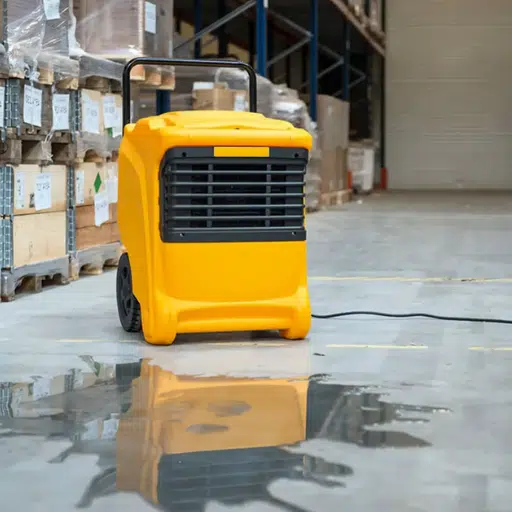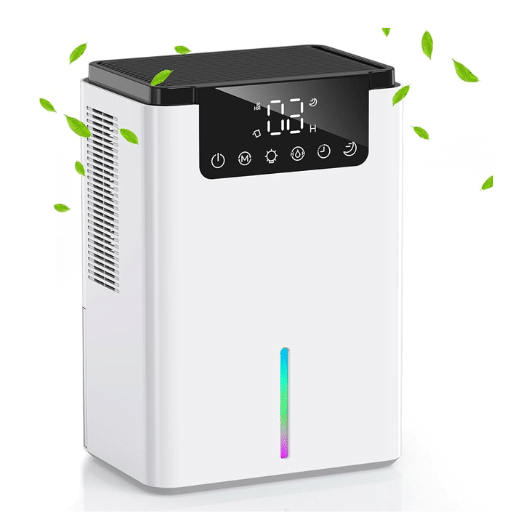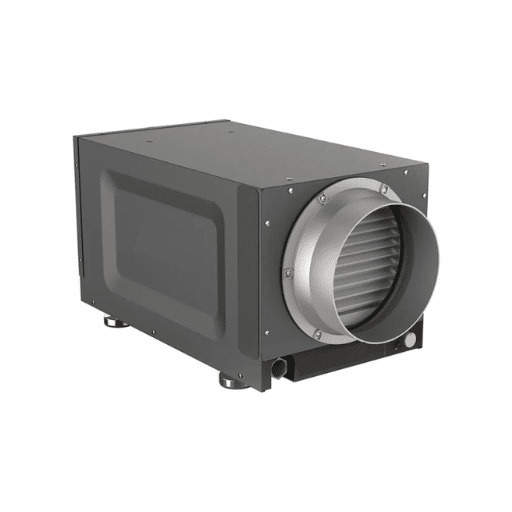
Air purifiers and humidifiers are two widely talked about appliances when it comes to improving indoor air quality—but their functions are completely different. Air pollution and dry air are harmful to health and less comfortable; thus, knowing the special features of these appliances is a prerequisite to choosing the right one for your home or office. This guide discusses the major distinctions between air purifiers and humidifiers, illustrating how each one is a factor in the improvement of air quality and health in general. Whether you want to lessen allergens, control respiratory illnesses, or keep indoor humidity levels balanced, this article will assist you in determining which device is the right one for your particular needs.
Introduction to Air Purifiers and Humidifiers
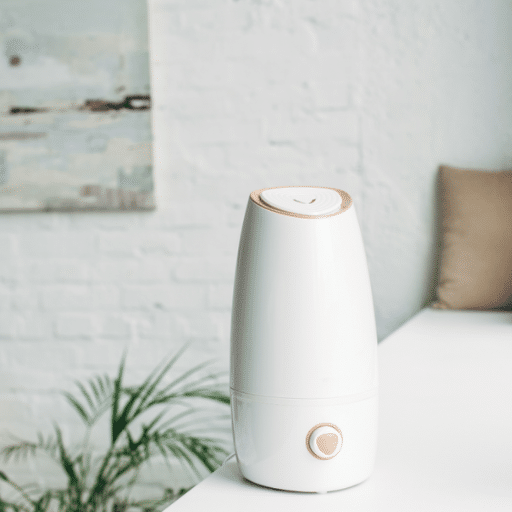
Appliances like air purifiers and humidifiers differ in their functions but both add to the improvement of indoor air quality. Air purifiers efficiently eliminate pollutants, microorganisms, and all types of unwanted chemical and biological agents in the air by filtering out the air. This process results in a healthier and more pleasant atmosphere to breathe. People with allergy problems or asthma attacks especially get the most out of the product, which is why it is recommended for them.
Humidifiers, contrarily, increase humidity in the room which causes the dryness to go away and that is why they are used for treating dry skin, irritated noses and cracked lips. When it comes to buying one, the user’s choice will lie in the area of concern – either air quality or humidity control issues.
What is an Air Purifier?
An air purifier is an appliance that aims to enhance the quality of indoor air by taking out the unhealthy particles, allergens, and pollutants from the air. They use advanced filtration technologies like HEPA (High-Efficiency Particulate Air), activated carbon filters, and sometimes UV-light or ionizers, and thus, they are able to trap the pollutants very efficiently.
Recent trends suggest that, in addition to health issues caused by poor indoor air quality, there is a growing market for air purifiers due to people’s concern about air pollution. Today’s air purifiers are available in different sizes and sometimes have smart features like air quality monitoring, automatic adjustments, and energy-efficient operation. They are a real advantage in cities where pollution levels are high, in homes with pets, or in places where there are allergens, as they provide cleaner and healthier air for the people living there.
What is a Humidifier?
A humidifier is an appliance for the home that has been specially made to increase the moisture in the air inside the house. It is a device that, by its mode of operation, makes indoor air more comfortable and healthier to breathe, particularly in dry environments or during winters when heating systems lower humidity very much. By producing either water vapor or steam, humidifiers can help with dry skin, irritated sinuses, and sore throats.
Recent search trends have shown that people want to know more about the problems such as respiratory difficulties that humidifiers can help with, their role in maintaining wooden furniture, and even the positive effect they have in reducing the spread of certain airborne viruses. The latest humidifiers usually have a lot to offer, for example, adjustable settings, auto-shutoff features, and smart home integration, all of which together contribute to an effective and user-friendly technology for climate control indoors.
Importance of Air Quality
Air quality is certainly one of the most influential factors affecting health and comfort in general. Indoor air with negative quality can give rise to a whole range of health problems, from slight discomforts to serious chronic issues with respiration. It is very much essential to pollute the air and keep it clean and balanced in confined areas where fumes and particles mix. Here are five points showing why air quality is so important:
1
Respiratory Health
Air pollutants such as dust, mold, and animal hair can trigger asthma and allergy attacks. The use of purifiers can cut down the occurrence of such triggers and enhance the respiratory system’s performance.
2
Immunity Boost
The purification of air can be one of the strong points of the immune system by cutting down the exposure to nasty airborne viruses and bacteria that are constantly circulating.
3
Cognitive Function
Clearer air has been linked to better concentration and higher productivity and hence it represents a real advantage to the environments of offices and schools.
4
Sleep Quality
Impurities in the air can cause frequent awakening while uninterrupted and deep sleep is promoted by clean air.
5
Physical Comfort
Proper humidity levels, plus reduced irritants in the air, contribute to physical comfort by preventing dry skin, eye and throat irritations or discomfort.
In light of these factors, it is clear that improving and maintaining quality air should be one of the first steps taken to make living spaces healthier and more comfortable.
Air Purifier vs Humidifier: Key Differences
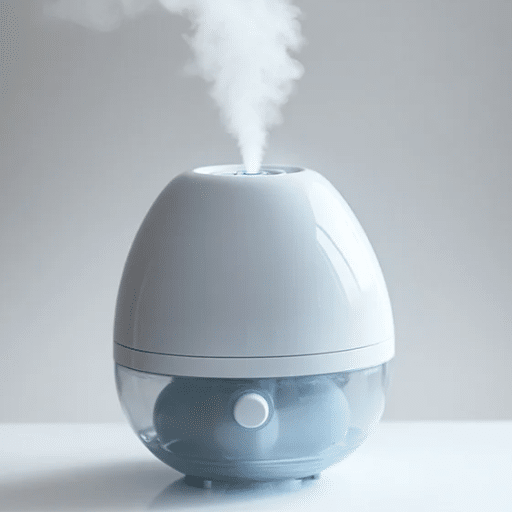
Concise Answer: Air purifiers remove airborne pollutants to improve air quality, while humidifiers add moisture to the air to alleviate dryness.
Comparison Table
Functionality of Air Purifiers
By eliminating indoor air contaminants and pollutants, air purifiers are aimed at enhancing the indoor air quality. They use cutting-edge filtration gadgets and methodologies to eliminate the impurities, which makes them an essential element in residences, offices, and public places. The following are the principal five operations of air purifiers:
- 1
Particle RemovalDust, pollen, and mold spores are very effectively captured by air purifiers through High-Efficiency Particulate Air (HEPA) filters thus resulting in better air quality for allergy and asthma patients.
- 2
Odor EliminationAir Purifiers containing activated carbon filters play a major role in removing uninviting odors coming from various sources such as cooking, pets, and smoke, thereby keeping the indoor environment uplifting.
- 3
Allergen ReductionRemoving allergens from the air like pet dander and dust mites, air purifiers can very much diminish allergy symptoms for people who are particularly sensitive to them.
- 4
Germ and Bacteria RemovalCertain air purifiers come with additional features such as UV-C light or ionizers which function by removing bacteria, viruses, and other harmful microorganisms from the air.
- 5
Chemical Vapor FiltrationAir purifiers that have sophisticated filters can grab volatile organic compounds (VOCs) from cleaners, paints, and other household items and thus cut down on exposure to dangerous chemicals.
Functionality of Humidifiers
Humidifiers are very important for the indoor air quality status quo as they are the ones supplying the air with moisture. The dryness is thus eliminated by the humidifiers that could lead to skin, nose, throat, and lips irritation. Five main functions of humidifiers are mentioned below:
- 1
Dry Skin and Irritation ReliefThe winter months are known for dry air, and the humidifiers fight the effects of that, keeping skin moisturized, and lessening eczema and other dryness-related irritation.
- 2
Respiratory Health ImprovementInhaling moisture can open up the airways and allow for easier breathing, thus relieving the symptoms of allergies, asthma and colds, such as dry throat or blocked nasal cavities.
- 3
Wooden Furniture and Floors ProtectionThe furniture, flooring, and musical instruments made of wood can last longer with optimal humidity conditions since cracking, warping, or shrinking will not be caused by the excessively dry air.
- 4
Static Electricity ReductionThe humidifiers will not only create a safer and more comfortable indoor atmosphere but also prevent the static electric charge from developing by adding moisture to the air, thus making it livable in the places where electronics are present.
- 5
Sleep EnhancementThe right level of humidity can be a factor that determines your sleep quality since it can soothe your airways, reduce your snoring and also cut down on your night coughing caused by dry air.
Common Misconceptions
⚠️
Humidifiers Can Cure Respiratory Issues
A major misunderstanding about humidifiers is that they can completely cure respiratory issues or illnesses. Even though the right humidity level can be a relief for symptoms such as dry throat or stuffed-up nose, they can’t substitute for medical treatments or take care of serious conditions.
🔧
Humidifiers Require Minimal Maintenance
Another common idea is that humidifiers are devices that need very little maintenance. Nevertheless, recent research data indicate that regular cleaning and upkeep are very important in order to deter the growth of mold, bacteria, and mineral deposits which could otherwise get dispersed in the air and cause health issues. Being well-informed about the use and maintenance of humidifiers can make them both effective and safe for daily use.
Benefits of Using Air Purifiers and Humidifiers
🌬️
Improved Air Quality
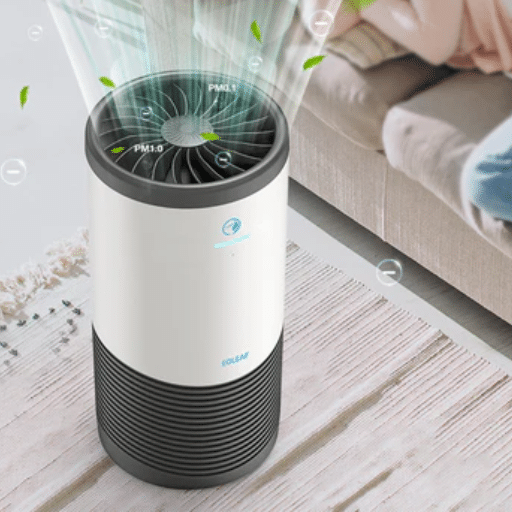
Air purifiers utilize different mechanisms to eliminate dust, mold, and other harmful particles, including pollen, pet hair, and smoke. As set by the US Environmental Protection Agency (EPA), the HEPA filters in air purifiers can absorb almost the entire volume of pollutants (99.97%) with the diameter as small as 0.3 microns, thus providing indoor air that is both clean and healthy.
🤧
Reduction in Allergies and Respiratory Issues
Air purifiers and humidifiers together help eliminate allergens and irritants, and hence cause a significant decrease in the allergy symptoms, asthma, and other breathing conditions. Apart from this, the proper humidity levels would be a great help to soothing dryness in the nasal passage and throat which makes it easier to breathe especially in the winter season.
💧
Control of Humidity Levels
Humidifiers provide humidity levels of 30-50% which is the optimal range for skin, lips, and nasal membranes that can otherwise be affected by dry air. Furthermore, humidification and disinfection work hand in hand as the latter reduces the number of bacteria and viruses thus making their presence less likely.
🪴
Protecting Furniture and Indoor Plants
The regulation of air moisture prevents the destruction of wooden furniture, and flooring, and painting by either dry or humid conditions. Besides, most houseplants thrive in a balance of healthy air and humidity which in turn contributes to an overall better indoor environment.
😴
Better Sleep Quality
Breathing clean and properly humidified air can deepen and make your sleep more refreshing since it will eliminate snoring, relieve congestion, and create a conducive environment. Studies indicate that sleeping better and waking up more refreshed is the case in rooms with optimum air quality and humidity levels.
Health Benefits of Air Purifiers
Besides cleaning the air and removing allergens, air purifiers have many health benefits. You might find the following five benefits that are based on research and statistics:
Reduces Allergies
Air purifiers are highly effective in capturing allergens like pollen and dust mites as well as pet dander from the air. HEPA filters are found to be very helpful in relieving the allergy symptoms of patients who are very sensitive to these particles.
Minimizes Asthma Triggers
Air purifiers, by their very nature, eliminate smoke and other strong odors, and mold spores. Asthmatics can easily breathe in the purified environment. Moreover, lessening the asthma triggers is scientifically proven to help in the prevention of asthma attacks.
Eliminates Harmful Chemicals
Certain air purifiers that come with activated carbon filters work by absorbing the VOCs and other harmful chemicals found in household cleaners and building materials. Overall, the quality of indoor air gets better and the probability of long-term chemical exposure is reduced.
Improves Respiratory Health
Talking about the removal of PM2.5 particles from indoor air, the risk of getting lung diseases is lessened. These particles are known to cause bronchitis and decrease lung capacity when inhaled excessively over a period of time.
Enhances Sleep Quality
Sleeping and waking up fresh are as a result of air being free from pollutants that cause congestion or coughing at night. A poll indicated that persons using air purifiers were more satisfied with their sleep compared to those who did not use them.
Air purifiers are always there to fight off pollution and dust mites, thus they help create an indoor air-space that is environmentally friendly, which is a plus for both immediate and future health.
Advantages of Humidifiers
Enhances Respiratory Health
The addition of moisture to the air by means of humidifiers facilitates breathing and provides relief to respiratory disorders. Current research indicates that keeping indoor moisture between 30 and 50 percent can be a major factor in cutting down respiratory irritations.
Saves Dry Skin and Irritation
The skin is among the first to show the effects of dry air and may become flaky, itchy, and even cracking. Fortunately, humidifiers come to the rescue by keeping optimal moisture levels, thus hydrating the skin, relieving discomfort, and shielding from skin conditions like eczema.
Decreases Chances of Disease
Studies suggest that the virus particles, including the ones responsible for cold and flu, are able to live and spread easily in dry settings. Therefore, research shows that by increasing the humidity, it actually leads to deactivation of the airborne viruses, which in turn, the infection risk is reduced.
Safeguards Home Furnishings
Wooden furniture, flooring, and musical instruments may become less attractive if they suffer from cracks or warping caused by dry air. With the help of humidifiers, a consistent humidity level can be maintained, thus saving the household items from the effects of time and wear while extending their life.
Improves Quality of Sleep
Dry conditions during sleep can lead to snoring, nasal congestion, or a dry throat among others, which are common barriers to restful sleep. Humidifiers operate by adding moisture to the air and are thus effective in reducing these issues and promoting deeper, uninterrupted sleep.
Combined Benefits of Both Devices
Humidifiers and air purifiers working in tandem form an excellent indoor environment that is healthy and comfortable. Below are the five combined benefits of such devices:
Air Quality Enhancement
While the humidifier keeps the air moist, the air purifier cleans the air by absorbing allergens, dust, and pollutants thus giving a cleaner and a more breathable environment.
Allergy and Asthma Sufferer’s Relief
The clean and humid air will not cause irritation in the nasal passages and respiratory systems thus providing great relief to people suffering from allergies or asthma.
Skin Health Improvement
Purifiers help to remove harmful particulates that may irritate the skin; humidifiers, on the other hand, fight against dryness keeping the skin moisturized and healthy.
Decreased Airborne Virus Spread
The combination of these devices can lower the risk of catching airborne illnesses by reducing the number of virus particles and keeping the humidity level at an optimum that prevents their survival.
Better Sleep Environment
The combination of purified air with the right humidity helps to prevent the onset of snoring, congestion, and dry throat thus guaranteeing restful and rejuvenating sleep.
Optimal Use Cases for Air Purifiers and Humidifiers
Concise Answer: Air purifiers are optimal for removing airborne pollutants, while humidifiers are best for alleviating dryness and maintaining comfortable humidity levels.
Comparison Table
When to Use an Air Purifier
Purifiers are most effective when they are placed in a context that really requires improved air quality. In case you are staying in areas with a lot of air pollution like a city or a place near a factory, then air purifiers can really help you in getting rid of the harmful air particles that include dust, pollen, smoke, and also VOCs. The devices aregreat for people suffering from allergies or asthma, as they help to get rid of allergens throughout the whole house and also make the air less irritating, which provides relief and comfort.
Recent search trends have shown that there is a significant increase in interest in air purifiers during wildfire season and in areas that have high pollen counts. This indicates that their role in times when outdoor air quality worsens is very crucial. On top of that, air purifiers are also good at controlling pet dander in a house that has pets or minimizing smell in spaces that are subjected to smoking.
💡 Pro Tip: An air purifier and humidifier used together will not only give you a balanced indoor atmosphere but will also improve the air quality and the overall comfort level during the dry or polluted season.
When to Use a Humidifier
A humidifier can be an essential device in the winter months, as that is the time when heating systems dry indoor air significantly. An increase in users searching for cures for dry skin, nasal irritation, and respiratory problems indicates that there is a growing concern about the prevention of dry air and maintaining good indoor air quality.
Besides, a humidifier is absolutely necessary in dry areas or during the allergy season when higher humidity levels can actually limit the spread of germs in the air and alleviate dry throat or stuffy nose symptoms. In the case of a house with wooden furniture or floors, a humidifier can be regarded as a lifesaver as it will combat cracking and warping, which are the consequences of dry air exposure.
⚠️ Important: In order to ensure that indoor humidity levels are kept in the range of 30 to 50 percent, which is a safe range for both house and health, the use of hygrometers is advisable. On the other hand, excessive dampness could create an ideal environment for mold to grow.
Using an Air Purifier and a Humidifier Together
Combining an air purifier with a humidifier can be an excellent move to improve the quality of the air indoors and to have a healthier atmosphere inside your house. Air purifiers do their part by taking out the dust, pet dander, and pollen which are floating in the air, while humidifiers are giving moisture to the air thereby easing and making more comfortable the dryness problem of the air. You are able to address multiple elements that affect your air by using these two machines.
Top 5 Advantages of Combined Use:
Better Respiratory Health
The air cleaner gets rid of dangerous allergens and particles and, as a consequence, people with breathing problems are less likely to encounter them. Besides, the humidifier makes sure the air is not very dry and, thus, it can help with dry noses or coughs that irritate the throat.
Disease Prevention
A clean and well-humidified indoor atmosphere that is in good balance will support health by keeping bacteria and viruses that are spread in the air from settling. Clean air prevents airborne pathogens, and proper humidity levels can deactivate certain viruses.
Enhanced Sleep Quality
People will have trouble sleeping if allergies are the cause. Additionally, those who snore or have dry throats will also have the same issue. Thus, if the air is clean and free of allergens and the humidity levels are perfect, there will be more restful sleep.
Furnishing and Appliance Protection
To a certain extent, the breakage of wood furniture due to dryness conditions can be averted by humidifiers while the air cleaner keeps the tiny dust particles and soot away from the electronics and delicate items.
Energy Efficiency in Climate-Controlled Spaces
The heating and cooling systems can work more efficiently, provided that you have both clean air and the right humidity levels, as the dust build-up in the vents is reduced by the cleaner air and the humidity in the right amount helps to retain warmth during the winter.
✅ Conclusion: Using these machines wisely and together, you would have a created environment that is not only cleaner but also more comfortable and healthier.
Choosing the Right Device for Your Needs

Choosing between an air purifier, a humidifier, or both at the same time, it is very important to consider your personal needs and the conditions of your house environment. Recent search trends and data show that people very frequently select air purifiers for areas with high pollution or allergen levels because such devices are very good at filtering out dust, pollen, and harmful particles. On the contrary, humidifiers are in great demand in regions or during seasons when the air is very dry because they can maintain the right humidity level to avoid dryness-related problems such as skin irritation or respiratory discomfort.
A combination air purifier and humidifier may be the ideal solution for people who are experiencing air quality and dryness issues at the same time. The devices work very well, thus, being a great investment for the creation of an overall healthier indoor environment. Check room size requirements, maintenance commitments, and specific features—like HEPA filters for air purifiers or ultrasonic technology for humidifiers—to make sure you choose a device that effectively fits your lifestyle and environmental conditions.
Factors to Consider for Air Purifiers
Room Size Compatibility
Checking the compatibility with the size of the room is crucial to confirm that it will be able to affect the space properly and provide adequate air circulation.
HEPA Filter Quality
Give highest priority to features such as HEPA filters that are able to capture allergens and particulate matter effectively.
Noise Level
The noise level matters a lot as you require a unit that works quietly, particularly during the night for uninterrupted sleep.
Maintenance Requirements
Take maintenance issues like filter changes into consideration to avoid any surprises in terms of cost or difficulties later on.
Factors to Consider for Humidifiers
Choosing a humidifier can be a daunting task, but certain things can make the process easier and the equipment more effective:
- ✓
Type Selection: Make sure to select the type of humidifier that is most appealing to you—among the available types are cool mist, warm mist, ultrasonic, and evaporative units. - ✓
Room Size: It is very important that the humidifier is compatible with the area size so that the moisture levels are just right, neither too high nor too low. - ✓
Cleaning & Maintenance: Take into account the cleaning and maintenance process; cleaning difficult models can result in the accumulation of bacteria and mold. - ✓
Noise Level: The noise level is also significant, especially when the humidifier is going to be used in a sleeping area or a place where people are present. - ✓
Additional Features: Do not forget to check for beneficial features like automatic shut-off, different mist settings, and internal hygrometers for effective humidity control.
Making the Choice: Air Purifier or Humidifier?
It mainly depends upon your requirements and the conditions of your living space if you want to go for an air purifier or a humidifier.
🌪️
Choose an Air Purifier If:
- ✓
You’re mainly concerned about air quality - ✓
You need to remove allergens, dust, or smoke - ✓
You have pets or live in high-pollution areas - ✓
You suffer from allergies or asthma
💧
Choose a Humidifier If:
- ✓
Dry air is a frequent problem - ✓
You experience dry skin or throat - ✓
You live in dry climates or use heating systems - ✓
You want to protect wooden furniture
💡 Best Practice: Recent search data indicates that both appliances are at their peak searches during seasonal transitions suggesting their complementary roles in home comfort. Best results come from households using both together since they can cleanse and humidify the air at once, thus creating a healthier and a more comfortable environment.
References
📚 Oxford Academic
Discusses the integration of air purification and humidification technologies using intelligent control systems.
📚 Lamintang Journal
Title: Innovative Design and Implementation of Portable and Rechargeable Air Purifier and Humidifier
Explores the design and sustainable energy solutions for combined air purifier and humidifier devices.
📚 IEEE Xplore
Title: Development of Air Purifier and Humidifier
Focuses on the development and resource-efficient design of air purifiers and humidifiers.
Frequently Asked Questions (FAQ)
Q
What are the benefits of using a humidifier?
A humidifier can help maintain optimal humidity levels in your home, which is particularly beneficial in winter months or dry climates. It can alleviate symptoms caused by dry air, such as dry skin, sore throats, and congestion. Additionally, humidifiers can be helpful for those with allergies or asthma, as they help prevent irritation in the respiratory system.
Q
How does an air purifier improve indoor air quality?
An air purifier improves indoor air quality by removing allergens, pollutants, and other harmful particles from the air. This includes fine dust, smoke, mold spores, and pet dander. By circulating cleaner air, air purifiers can significantly reduce allergy symptoms and provide a healthier environment for everyone in your home.
Q
What types of air purifiers are best for allergies?
HEPA air purifiers are regarded as the best for allergies because they can trap 99.97% of particles that are 0.3 microns in size. This includes common allergens like pollen, pet dander, and dust. Additionally, air purifiers with activated carbon filters can help eliminate odors and volatile organic compounds (VOCs), further improving air quality.
Q
Why might I need an air purifier?
You might need an air purifier if you suffer from allergies, asthma, or other respiratory issues, as these devices are designed to remove allergens and irritants from the air. If you live in an area with high levels of pollution or have pets, an air purifier can provide cleaner air, helping you breathe easier and improving your overall well-being.
Q
What’s the impact of dry air on health?
Dry air can have several negative impacts on health, including causing respiratory discomfort, dry skin, and exacerbating allergy symptoms. It can also lead to an increase in static electricity and difficulty in sleeping. Using a humidifier can help mitigate these issues by adding moisture to the air, promoting a more comfortable indoor environment.
Q
How do I choose the right air purifier?
When choosing the right air purifier, consider factors such as the size of the room, the type of filters used (HEPA or activated carbon), and any specific allergens you are targeting. Look for features like noise levels, energy efficiency, and ease of maintenance. Reading customer reviews and expert recommendations can also guide you in selecting the most effective air purifier for your needs.