Selecting the best dehumidifier for your home can be a daunting task particularly when choosing between the two different types, namely the desiccant and compressor models. Each one of them has its pros and cons and is suitable for different places, but how to know which one is the right one for you? This article examines the most essential distinctions, advantages, and drawbacks of the two types to support you in making a well-informed choice. Whether your living area suffers from excessive moisture, you are dealing with condensation problems, or you just want to go for an energy-efficient option, this guide will give you the necessary knowledge to pick the perfect dehumidifier for your case. Keep watching while we unravel everything!
Understanding the Types of Dehumidifiers
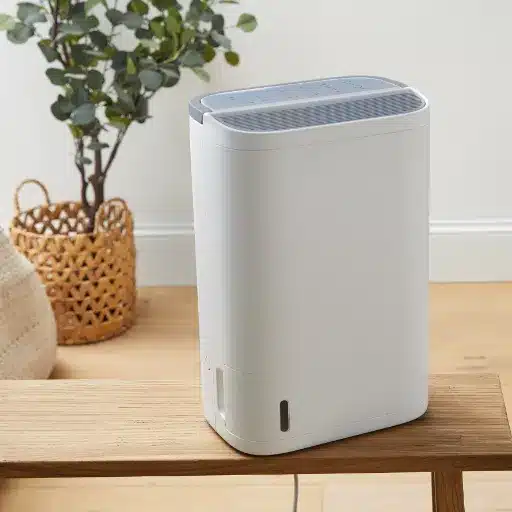
1What is a Compressor Dehumidifier?
A compressor dehumidifier, also referred to as a refrigerant dehumidifier, is an appliance that utilizes cooling coils to extract the moisture that is in excess from the air. It runs on refrigeration, as an air conditioner does. The process starts with the intake of the air that contains moisture, which is then made to pass through cold coils where the water vapor is transformed into liquid by condensation. The drenched air is collected in the tank or drained away; meanwhile, the dry air is heated again and blown back into the room.
This kind of dehumidifier is very much successful in hot and humid places, where the temperature usually does not drop below 60°F (approximately 15°C). In such scenarios, compressor dehumidifiers yield good results since the moisture content in the air is high, and the refrigeration process can efficiently extract it. They are especially advisable for installation in places like cellars, living rooms, or offices where the humidity must be kept at a certain level to avoid mold, condensation and other problems related to moisture.
Compressor dehumidifiers are very effective but only in favorable conditions; their usefulness is limited in cold environments. When it gets too cold, the cooling coils may not be able to cause efficient condensation of the humidity in air, thus, the performance is reduced. Moreover, they are likely to be noisier than other types of dehumidifiers because of the compressor operation. However, they continue to be the most common and reliable type of dehumidifiers used for the day-to-day removal of excess moisture in households and other indoor spaces.
2What is a Desiccant Dehumidifier?
The term “desiccant dehumidifier” refers to a specific type of dehumidifier that utilizes the absorbing properties of desiccant material for drawing moisture from the air. More specifically, desiccant dehumidifiers are not dependent upon evaporators and compressors, and thus are not temperature-limited, making them very effective in both hot and cold conditions. A desiccant material is usually silica gel or something similar which takes up water from the air during its passage through the system.
One of the main advantages of desiccant dehumidifiers is that they can handle low-temperature or low-humidity atmospheres where refrigerant models generally fail. Therefore, the desiccant model finds its use in areas like basements, garages, or cold climate zones. Apart from that, they are quieter than their refrigerant counterparts, owing to the absence of a compressor, and hence can be used in places where silence is a factor, like bedrooms or offices.
Desiccant dehumidifiers being light and portable can be easily shifted wherever required. Still, they may take a heavier toll on the electricity bill in comparison to refrigerant models if they run for long hours continuously. Nonetheless, the very ability of working efficiently in diverse environments and being easy to handle often makes them a preferred choice for certain applications like industrial drying or moisture-sensitive item protection from damage.
Key Differences Between Desiccant and Compressor Models
Desiccant models are ideal for low-temperature, low-humidity environments, while compressor models perform better in warm, humid conditions with higher energy efficiency.
Operational Principles of Dehumidifiers
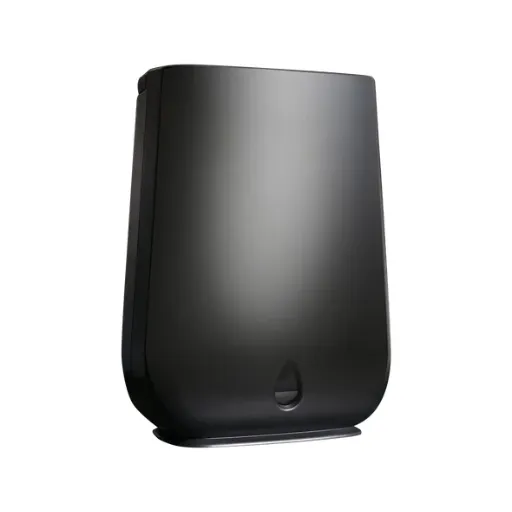
1How Compressor Dehumidifiers Work
Compressor dehumidifiers function by taking in air that is high in moisture and then cooling it down by blowing it over cold coils. The staying of air staying with the cold coils caused the water vapor to change into a liquid and get stored in a tank or siphoned away. The drying-out process then involves reheating the air to a pleasant temperature, which is then allowed back into the room. The process is a bugger for humidity control in places where high moisture is common since it is the only one that efficiently removes excess moisture from the air.
This type of dehumidifier not only needs a refrigerant but also a compressor to keep the coils cold which is the same as in the case of air conditioning systems. The refrigerant takes up the air’s heat and makes it pass through the unit at a lower temperature. Because this process requires a large temperature difference for condensation, compressor dehumidifiers are very effective in warm areas but will probably be less efficient in cold areas.
In conclusion, compressor dehumidifiers are powerful and productive devices for controlling humidity levels in homes or offices. They do so very quickly and create a comfortable environment while preventing the indoor spaces from problems due to excess moisture such as molding, mildew, and even structural damage, which makes them a massive option for dealing with high humidity in large or always hot areas.
2How Desiccant Dehumidifiers Work
In general, desiccant dehumidifiers function by employing a desiccant which is an absorptive material to take out humidity from the air. The air to be treated is blown into the desiccant and is dried and then released back into the room. This method is not based on the temperature difference, therefore, allowing desiccant dehumidifiers to be very effective even in cold climates when compared to compressor types.
The desiccant will have absorbed moisture if it is left long enough, and the moisture will have to be removed to regenerate the desiccant. To do this, the unit will heat the desiccant. The heated desiccant will then release the moisture, which will be either vented outside or removed. This regeneration step provides the dehumidifier with an uninterrupted supply of air without the need to replace the desiccant material frequently.
Desiccant dehumidifiers are highly recommended for places like below-ground-level areas, garages, and other cool regions that need constant humidity control. Besides, they are lighter and quieter when compared with compressor dehumidifiers, thus perfectly suitable for smaller living areas or where noise is a problem. Although they are less energy-efficient than compressor dehumidifiers, their ability to perform well in low-temperature conditions makes them a viable option in some situations.
3Comparison of Operational Efficiency
Compressor and desiccant dehumidifiers show different efficiency in operation depending on the specific situation of use. The fact that they can condense moisture from the air which is an energy-saving method in moderate to warm climates makes compressor dehumidifiers the best option for such places. Moreover, they are preferred for residential areas where the temperature does not drop below a certain level and moderate coldness is experienced all year round.
Desiccant dehumidifiers are another story; their low-temperature environment has built them up as a superior type of dehumidifier. This is because they rely on desiccant for absorbing moisture rather than cooling it down which gives them the power to perform even in the coldest air. Thus, their energy consumption is where they lose the compressor dehumidifiers by a wide margin and therefore, their use is confined to certain areas where cold is the only factor.
In the end, the environment and the intended use become the determinants in the selection of a dehumidifier. Compressor units will bring the most significant energy savings when used under normal conditions; however, desiccant units will take cold spaces where efficiency might otherwise suffer. The utility of these differences is that the right dehumidifier is thus picked out based on operational needs and environmental considerations.
Typical Applications for Each Type
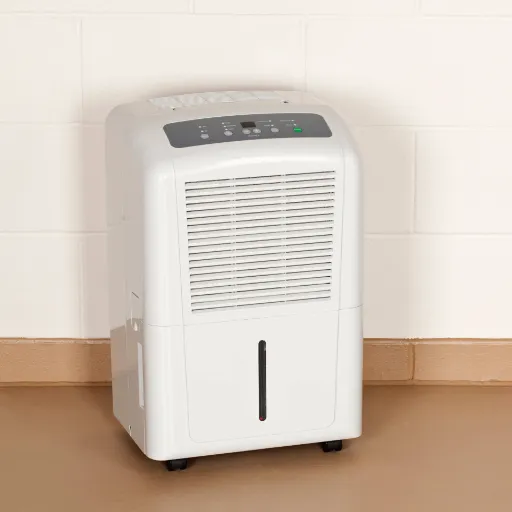
1Best Uses for Compressor Dehumidifiers
Compressor dehumidifiers display their highest performance in extremely hot and humid places, where moisture is at its peak and the temperatures are 41°F (5°C) and above. These machines are very effective in drawing out the largest amount of water vapor from the air, and hence they are the best option for home use in areas like basements, laundry rooms, and bathrooms. To be more specific, one of the main benefits of dehumidifiers is that they consume less energy in warmer temperatures around 65°F (18°C) or more, as they utilize the natural condensation process for moisture removal.
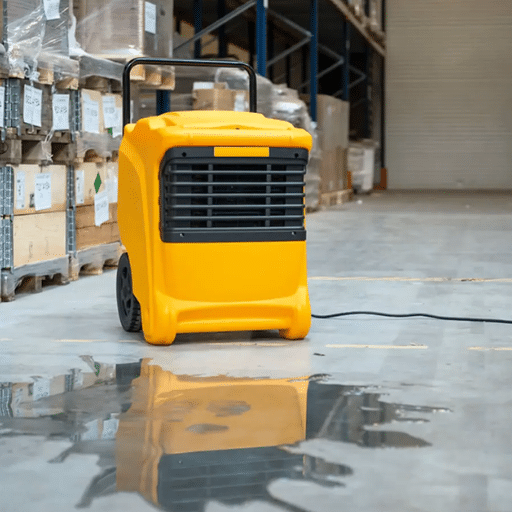
Recent research has shown that in a 500-square-foot room, compressor dehumidifiers can cut down indoor humidity levels by as much as 50% in an hour depending on the model and power. Besides that, these machines are also heavily used in commercial and industrial settings where controlling moisture content is very important, like warehouses, offices, and storage places. For instance, they are regularly used to keep the items in stock, stop the growth of mold, and generally improve the quality of the air.
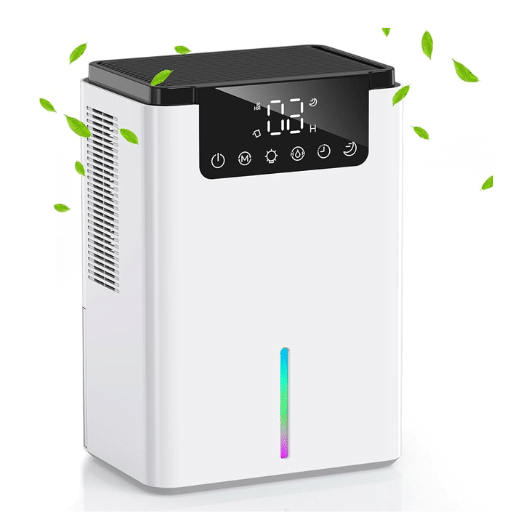
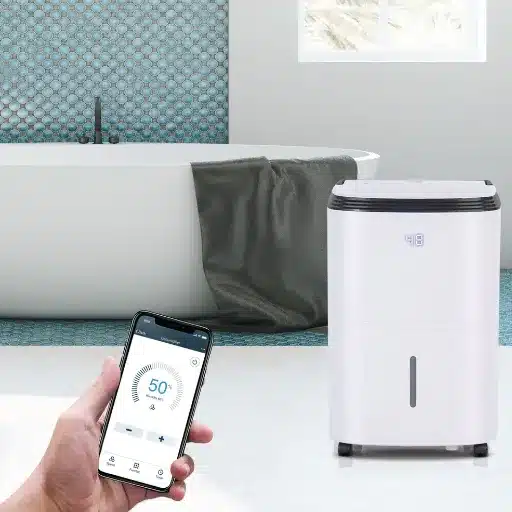
Over time, technology has improved a lot and it is not uncommon anymore for today’s compressor dehumidifiers to have intelligent sensors that can control the humidity level automatically based on the current conditions. This way, a comfortable environment is created and the operation is done in the most efficient way possible, thus, greatly satisfying various customers’ demands. Humidity is a common problem in certain areas but a compressor dehumidifier will solve the problem at quite a low cost, and also give you a healthier indoor atmosphere.
2Best Uses for Desiccant Dehumidifiers
Desiccant dehumidifiers, being very versatile and effective, are suitable for a variety of special environments and scenarios. Opposite to compressor dehumidifiers, the work just as well in low temperatures and low humidity environments. Thus, they are perfect for spaces such as basements, garages, cold storage, and even outdoor tents where maintaining dryness is very important.
Using desiccant dehumidifiers in regions with colder climates is one of the best applications. As per the most recent survey of studies, desiccant dehumidifiers can sometimes operate even at temperatures of -30°C (-22°F) with no decline in performance, while compressor units almost completely shut down at about 15°C (59°F) and thus, do not have good performance. Malaysia, Northern Europe, and Canada, where winters can be harsh, and puddle spots on walls and windows are common; these places, as a result, become the most common users of desiccant dehumidifiers.
This way of a surface can be easily cut, and namely in pharmaceuticals, food storage, and electronics, the industries where precise humidity control is needed, desiccant dehumidifiers are still very effective. As an example, if the relative humidity in the food production area is kept below 40%, bacterial growth and spoilage prevention lead to the quality and safety of goods. dehumidifiers advantage of maintaining such strict humidity levels becomes a necessity in these industrial applications.
The other commendable characteristic is that they have a lightweight and portable design which is very convenient for users to move different room or places. This feature is very useful for the temporary setup or even for trying out different places like drying furniture or putting up shields for very valuable items such as paintings and musical instruments. For instance, data has been collected from various consumer reviews showing that desiccant dehumidifiers are often employed by musicians to protect wooden instruments that easily get ruined due to humidity changes since they are very sensitive to humidity changes.
In the long run, desiccant dehumidifiers are characterized not only for their reliability but also for the fact that they can handle varying temperature and humidity situations. Therefore, they are the strongest performers in this regard and create comfortable and safe conditions wherever used.
3Environmental Factors Influencing Choice
In the choice of a dehumidifier, the most important environmental factors to take into account are temperature, humidity levels, and space size. These factors yield the dehumidifier’s effectiveness and appropriateness for a particular environment, thus ensuring it functions properly under the given conditions.
Temperature is one of the main factors since different dehumidifiers work better in certain temperature ranges. For example, refrigerant dehumidifiers usually do well in warm and humid conditions such as the summer months. However, they will have difficulties in cooler areas where condensation is minimal. On the other hand, desiccant dehumidifiers are more adaptable to colder temperatures which makes them a perfect fit for basements, garages, or cooler climates.
Humidity is another vital factor that should be taken into account. For areas with a high level of humidity, powerful dehumidifiers that can remove moisture rapidly and efficiently are a must. Conversely, moderately humid areas would require smaller, less energy-consuming devices. It is also necessary to select the right dehumidifier’s capacity according to the room size to ensure moisture removal is done efficiently and without unnecessary energy consumption. Proper care and consideration of these environmental factors will lead to ultimate comfort and performance.
Advantages and Disadvantages
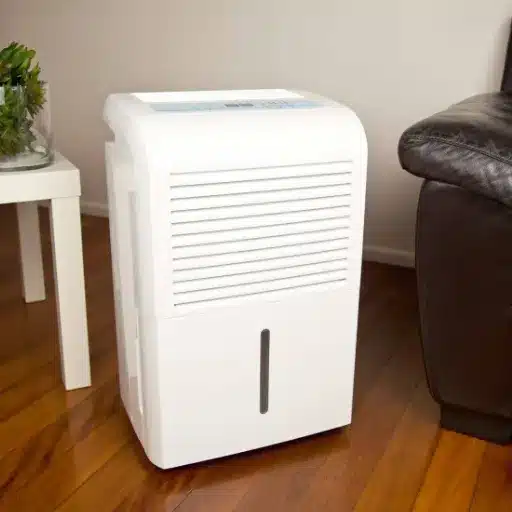
Pros and Cons of Compressor Dehumidifiers
✓ Pros:
- ● High Efficiency in Warm and Humid Conditions: Compressor dehumidifiers are very effective at removing moisture in hot environments. Their performance is best at temperatures above 60°F (15°C), thus these dehumidifiers can be placed in basements, laundry areas, or places with high humidity. Approximately, a standard 50-pint compressor dehumidifier can extract almost 50 pints of water every day, so that the humidity control is very quick.
- ● Energy Efficiency for Long-Term Use: Under ideal conditions, these machines use less energy than other types, like desiccant dehumidifiers. To illustrate, Energy Star certifications typically have models that consume 15-20% less energy than the previous non-certified models while the moisture removal rates remain high, and thus there are savings on the utility bill.
- ● Wide Range of Sizes: Compressor dehumidifiers come in different sizes and cosmetic varieties that can fit any space from small apartments to large commercial buildings. High-capacity models such as 70-pint units are very suitable for regions that are big and moist.
- ● Cost-Effective Maintenance: The maintenance of compressor dehumidifiers is generally not time-consuming and is cost-effective. The majority of the devices come with the features of washable filters and sturdy coils which lessen the frequency of the replacements.
✗ Cons:
- ● Reduced Efficiency in Cold Environments: Generally, compressor dehumidifiers have the problem of being inefficient in cool areas, especially those with less than 41°F (5°C) ambient temperature. Due to this, the coil may frost over, and eventually, it requires continuous energy consumption for the defrost cycles, which, in turn, leads to less moisture being removed. So for cold places, a desiccant type might be a better solution.
- ● Noise Levels: The noise levels from the compressor dehumidifier range from 45 to 50 decibels, which can be particularly annoying in quiet places like bedrooms or offices.
- ● Bulkier and Heavier Design: Compared to desiccant models, compressor devices are relatively larger and heavier, making them difficult to move and store in small spaces.
- ● Upfront Costs: The high-capacity compressor dehumidifiers indeed have a higher initial cost which ranges from $150 to $500 depending on the brand and features but at the same time they bring the long-term energy-saving benefits.
Pros and Cons of Desiccant Dehumidifiers
✓ Pros:
- ● Effective at Low Temperatures: Desiccant dehumidifiers are one of the types of appliances that work superbly in cold environments, while compressor ones suffer a lot. They are consistently even more effective at very low temperatures, 41°F (5°C) and below.
- ● Lightweight and Portable: The design of desiccant dehumidifiers is typically such that they are not only compact but also light in weight, which makes them very easy to move and store. Thus, they can be used in the small places like closets, RVs, or boats, where being able to move them around is a priority.
- ● Quiet Operation: Desiccant dehumidifiers are among the noiseless types of units because they lack the compressor, which is the source of noise in compressor-based units. Their operation noise level is so low that they can be used in every place where noise is a concern, like bedrooms, studies, etc.
- ● Quick Startup: Desiccant units, on the other hand, do not work with cooling coils and thus they heat up fast, switching to moisture removal almost instantly, thus they are competent for quick humidity control.
- ● Energy Efficiency at Small Scale: In terms of energy consumption, desiccant dehumidifiers, although they might be categorized as less energy-efficient, are efficient only in moderately-sized and small-scale applications. The absence of a compressor is one of the main factors reducing mechanical wear and longevity.
✗ Cons:
- ● Higher Energy Consumption: Mainly due to their reliance on the heating element for the regeneration of the desiccant material, desiccant dehumidifiers usually consume more energy than their compressor counterparts during long-term use.
- ● Limited Capacity for Large Spaces: These dehumidifiers are usually recommended for small to medium spaces. The drying capacity of their large area might not reach the point where no additional units or a larger setup is required.
- ● Shorter Lifespan of Desiccant Material: The absorption process may eventually cause the degradation of the desiccant material leading to a decrease in performance and the need for maintenance or replacement.
- ● Shelf Life and Storage Challenges: Specific conditions may need to be followed when storing desiccant dehumidifiers not in use to prevent damage to the desiccant materials, for example, their prolonged exposure to high humidity should be avoided.
💰Cost-Effectiveness and Maintenance Considerations
In the analysis of the cost-effectiveness of desiccant dehumidifiers, the evaluation of both the initial investment and the operating costs is imperative. It is known that desiccant dehumidifiers often come with a higher initial cost than refrigerant-based models; however, they can still be considered as the best option in extremely low-temperature and low-humidity areas where other systems may not perform efficiently at all. This situation might result in the purchase of a desiccant dehumidifier that is initially more expensive but in the long run, it would be the most practical and economic solution for an industrial plant or a cold storage area or even other less extreme places.
In addition, maintenance activities are one of the main factors that impact the total cost. Depending on the degree of usage and the environmental conditions,drying agents for desiccant dehumidifiers have to be replaced or reactivated from time to time. Furthermore, there is a need for regular inspections of filters, seals, and other parts to ensure that the dehumidifier is operating at optimal performance and also to eliminate the possibility of energy wastage. While maintenance-related costs are going to rise over the years, following a maintenance plan still provides the benefits of an extended life-cycle of the device and quality of its production as well.
For the customers, it is of great importance to evaluate the long-term benefits and special functionality of desiccant dehumidifiers against these costs. Besides, they are extremely useful where the performance in harsh conditions is considered more important than the purchase or upkeep expenses. A thorough examination of the environment, where the unit is going to work, the expected frequency of use, and the required performance can guarantee that the investment is not only financially feasible but also properly allocated to the right project.
Choosing the Right Dehumidifier for Your Needs
1Factors to Consider: Temperature and Humidity Levels
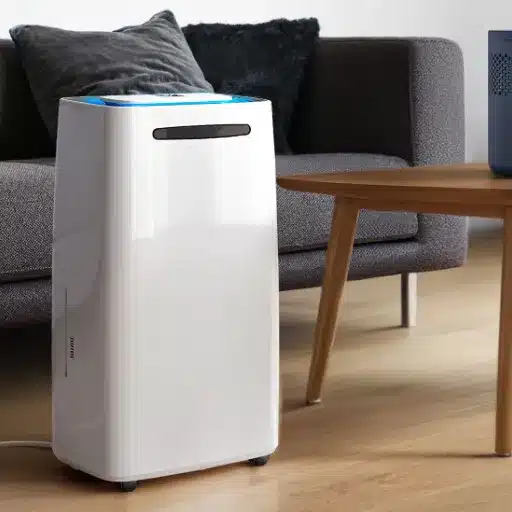
In the process of choosing a dehumidifier, one should first analyze the temperature and humidity levels of the space. Every dehumidifier has a certain operating temperature range where it performs best. For example, a unit that is designed for colder areas may, in fact, perform badly due to ice forming on its coils and thus not being able to operate efficiently. It is best to buy a dehumidifier that is able to operate at low temperatures if it will be used in cooled areas such as basements, garages, etc.
Humidity is another major factor in choosing the right unit. Areas with a lot of moisture, especially those with humidity over 60%, need a powerful dehumidifier to bring and keep the humidity down, while the others can be controlled relatively well by smaller units. Usually, capacity is expressed in terms of pints of water removed per day; hence, it is necessary to make sure that the unit corresponds to the size of the room and the humidity level for the dehumidification process to be effective.
Moreover, knowing the yearly temperature and humidity variations can also contribute to making the best choice. If your area has extreme seasonal variations, then a multifunctional, year-round dehumidifier may be the answer. Going through these factors one by one will guarantee the unit to be in the right and thus comfortable and moisture-free room, where its power would be needed.
2Energy Efficiency: Which is More Sustainable?
The dehumidifiers that are certified by Energy Star are usually the ones that are more sustainable when energy efficiency is considered. These machines have to follow very stringent energy consumption rules laid down by the Environmental Protection Agency (EPA), thus using considerably less electricity than machines without the certification. As a result, not only is total energy consumption is reduced but also operational costs are lowered, hence the choice is environmentally friendly.
Besides, sustainability is related to the dehumidifier’s power and how that perfectly corresponds with the space’s demand. A dehumidifier that is too powerful for the space will consume energy unnecessarily; on the other hand, a dehumidifier that is too weak will work harder thus saving no energy in the long run. With the proper capacity one dehumidifier can run efficiently without taking much power thus the right balance between energy consumption and performance is achieved through it.
Next, look at the features like auto-off, humidity sensors, and timer which can be programmed. These features will drastically cut down the energy the device uses unnecessarily since it will only work when it is needed. It is always ideal from a sustainability and cost aspect to dry and ventilate the environment properly by using a dehumidifier that consumes low power and has smart features.
3Personal Preferences and Specific Requirements
In the process of selecting a dehumidifier, the evaluation of your personal preferences and specific requirements is important with regard to making an informed choice. Take into account the size of the area where the device will be placed. Higher-capacity dehumidifiers are necessary for larger spaces in order to efficiently remove excess moisture, while smaller rooms can easily benefit from compact models that are less of a hassle to manage. Don’t forget to measure the space and check the manufacturer’s guidelines to confirm that they match up.
Noise level is another important consideration. If you are going to use the dehumidifier in a bedroom, nursery, or office, go for a model with a silent operation feature. A lot of dehumidifiers specify their noise levels in decibels, which is a great way to find an option perfect for quiet settings. On top of that, think about energy efficiency ratings as they influence both the environment and your long-term energy costs.
Lastly, consider any extra features that fit your lifestyle. For example, if you want a no fuss solution, then go for models that have continuous drainage options or need less frequent filter cleaning. Likewise, portability might be a consideration if you would like to shift the device from one room to another. By specifying your needs and carefully comparing possible choices, you can get the most out of both the efficiency and ease of use of your dehumidifier.
Frequently Asked Questions (FAQ)
❓ What is the primary distinction between a desiccant and a compressor dehumidifier?
The primary distinction is in the way they function. A compressor dehumidifier first cools the air to moisture condensation and then, through the process of distilled air circulation, sends the dryer air back into the room, resulting in its efficiency in high-temperature areas. Whereas, desiccant dehumidifiers quietly absorb moisture through a desiccant wheel, thus claiming superiority over their counterpart in lower temperature zones.
❓ Which dehumidifier is superior for use at room temperature, desiccant or compressor?
Room temperature settings are generally more favorable to compressor dehumidifiers, which tend to be better suited for this type of application, as they can quickly and effectively draw moisture from warm air. However, if the air temperature is lower, then it would be better to use a desiccant dehumidifier that performs more effectively under such conditions.
❓ Are compressor dehumidifiers energy-hungry?
Definitely, compressor dehumidifiers are usually energy guzzlers when compared to desiccant units, as they employ a cooling mechanism that consumes a lot of energy. If you are particularly after energy efficiency, a desiccant-based dehumidifier may save you on energy costs in the long run.
❓ Is it possible to use a desiccant dehumidifier in extremely humid conditions?
A desiccant dehumidifier can be used without any reservations in humid places. It not only works fantastically in low temperatures but also has the capacity to effectively drain moisture. Nevertheless, if a dehumidifier is needed for high humidity levels, then a compressor dehumidifier is always a more viable option.
❓ What are the main things to consider when choosing between desiccant and compressor dehumidifiers?
When going for a dehumidifier, it is crucial to take into account the humidity, temperature, and energy usage of the area as well as its size you want to dry out. If you are at high heat and need to remove a good quantity of water from the air, then a compressor type is what you should go for. In case of cooling, acquiring a desiccant model may be the best option.
❓ Do desiccant dehumidifiers come with a lower weight than compressor ones?
In most cases, yes. Due to the nature of their design and primary operation, desiccant dehumidifiers are usually lighter and easy to move around while compressor dehumidifiers are more tightly packed and larger because of take into account cooling components.
❓ How to determine the need for either a desiccant or a compressor dehumidifier?
If you cannot decide whether to go for a compressor or a desiccant dehumidifier, weigh the circumstances of your room or area that needs dehumidifying. A compressor dehumidifier is the best choice for hot, humid areas whereas for cold, dry situations a desiccant dehumidifier is the right one.
❓ What kind of maintenance is necessary for compressor dehumidifiers in comparison to desiccant models?
Maintenance on a compressor dehumidifier consists of changing the filters regularly and checking the refrigerant, while a desiccant dehumidifier requires much less effort, mostly the periodic replacement of the desiccant material.
❓ Are there cases where a compressor dehumidifier should not be used?
Yes, compressor dehumidifiers are not suitable for use in low-temperature conditions. In such circumstances, it is better to resort to a desiccant dehumidifier, which can still effectively dry the air in reasonably chilly conditions.
References
- EcoAir: A detailed comparison of desiccant and compressor dehumidifiers, discussing their mechanisms, advantages, and ideal usage scenarios.
Read more here - Reddit DIYUK Discussion: A community discussion on the practical differences between desiccant and compressor dehumidifiers, including user experiences and cost considerations.
Explore the discussion - Commercial Cleaning Depot: Insights into how desiccant dehumidifiers work, their impact on room temperature, and their effectiveness in reducing humidity.
Learn more here