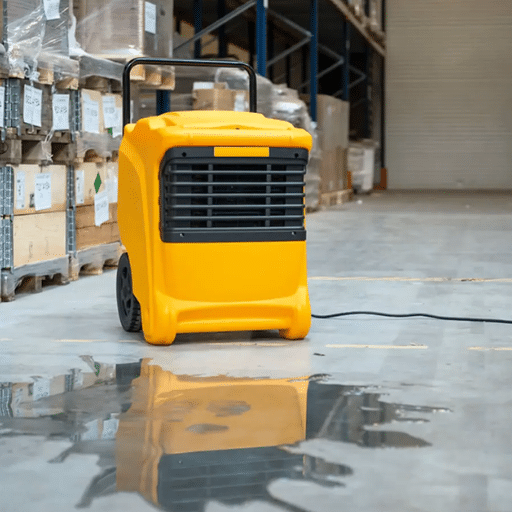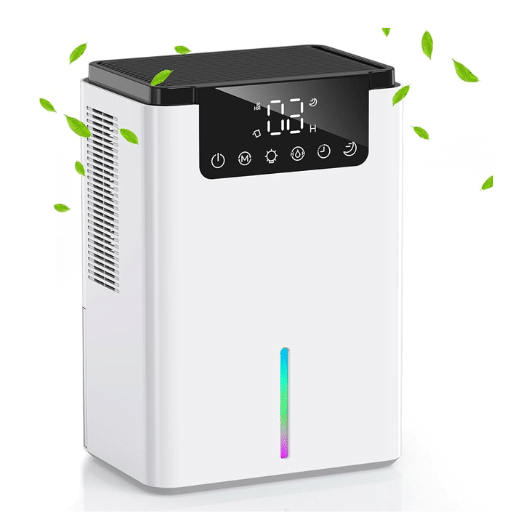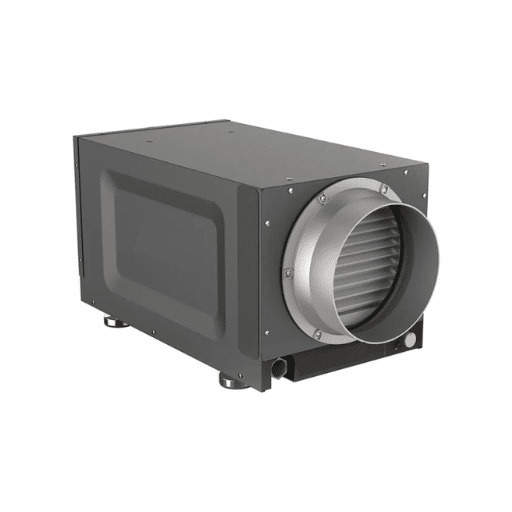
Maintaining the proper humidity levels in your home is a basic requirement not only for creating a comfortable but also a healthy living space. Dampness in the air can promote mold growth and bad smells, and can further affect the condition of your assets, while dry air can cause the same discomfort and health problems. A dehumidifier is an assistant in such a case, a powerful tool that helps you achieve the ideal equilibrium. But how do you determine the right setting for yourself? This manual will outline target humidity levels, adjust your dehumidifier based on the seasons and your space, and provide many tips to improve its efficiency. No matter whether you want to improve indoor air quality, keep your house safe, or simply feel more at ease, we are here for you.
Understanding Humidity Levels
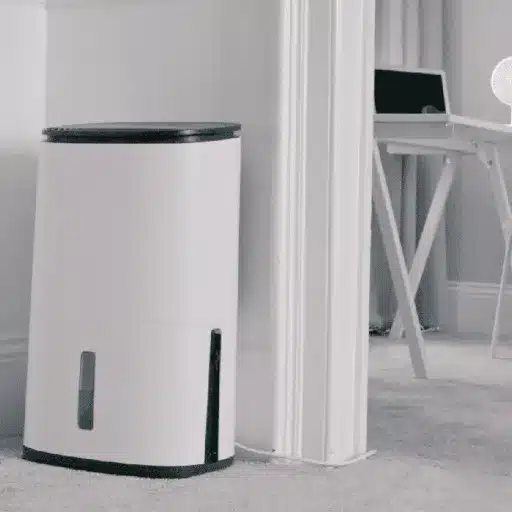
The ideal indoor humidity level usually falls between 30% and 50%. This range helps prevent problems such as mold, dust mites, and discomfort from dry air. When humidity drops below 30%, it can cause dryness of the skin and respiratory tract; above 50%, mold and bacteria might thrive. It is advisable to use a hygrometer to monitor humidity levels in your home and adjust your dehumidifier to operate within the preferred humidity range. Maintaining this equilibrium will lead to a healthier, more comfortable living space.
What is Humidity and Its Impact on Comfort
Humidity is basically the concentration of water vapor in the air and it has a significant impact on the comfort and health of people in a particular area. If the humidity is very high, it will be hard to breathe, as the room will be hot and conditions will be suitable for mold, bacteria, and dust mites to grow and thrive. In the same way, low humidity can be a problem since it can lead to dry skin, eye and throat irritation, and make respiratory problems worse. Finding the sweet spot which is usually between 30% and 50% moisture in the air not only enhances air quality but also lowers health risks and creates a more beautiful indoor space. Regularly monitoring and adjusting humidity levels with tools like hygrometers and humidifiers or dehumidifiers is an essential step in maintaining optimal comfort and well-being.
Ideal Indoor Humidity Levels for Health
To ensure good health and comfort, it is imperative to maintain indoor humidity at ideal levels. The optimal indoor humidity range for health is 30% to 50%. Humidity below 30% can cause skin to become dry, lead to irritation, and make breathing difficult, while moisture above 50% is likely to attract mold, dust mites, and other allergy-causing agents. By using hygrometers to check humidity levels and dehumidifiers or humidifiers when needed, one can easily create and maintain healthy indoor conditions.
How Humidity Affects Different Spaces
Humidity can have different effects on indoor environments. For example, in living and sleeping rooms, too much moisture can make the air uncomfortable and, by supporting the growth of dust mites and mold, may indirectly affect both health and sleep quality. Moisture from cooking and bathing makes kitchens and bathrooms, where condensation-causing ventilation is not used, the most likely areas for mold growth and condensation. The dampness in cooler, less-ventilated basements can cause decay and mustiness. Adequate, space-specific humidity levels not only avert these problems but also create and maintain a healthier, more comfortable indoor environment.
Choosing the Best Humidity Setting for Your Dehumidifier
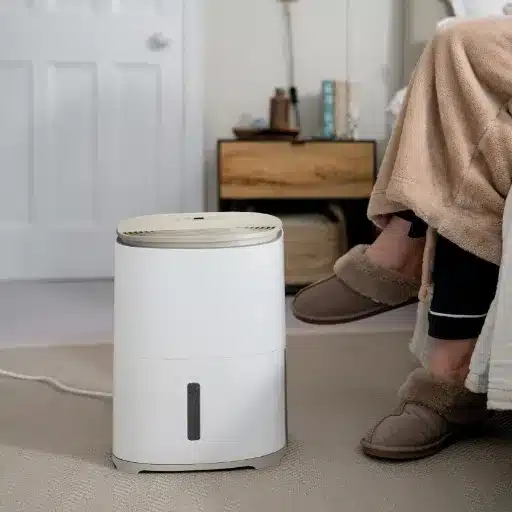
The most suitable humidity level for your dehumidifier should be a relative humidity between 30% and 50%; this is the range where mold growth is prohibited and allergenic particles are at their lowest. The 30% setting is recommended as a starting point for basements or areas with high moisture. Then, please make further adjustments based on the outcome. In summer months, use the lower level of humidity to keep the room comfortable, while in winter it might be sufficient to set it at a slightly higher level as the air is less humid anyway. Therefore, regularly monitor and adjust the settings to meet the needs of your specific environment.
Factors Influencing Humidity Settings
- 1
Room Size: A significant factor in humidity settings is the room’s size. To obtain the appropriate moisture levels efficiently, a larger room might need a lower setting. - 2
Climate: Local climate aspects are a determining factor. Dry areas might use the same higher-humidity settings to compensate for the air’s naturally lower moisture content. - 3
Purpose of the Room: The room’s use is the key factor. A case in point is the difference between a storage room, which needs lower humidity to keep items safe, and a living room, which can tolerate higher humidity for comfort. - 4
Seasonality: Indoor humidity levels are affected by seasonal changes. Warm months usually require lower settings because of increased moisture, while chillier months may require higher settings to counter the drying effect. - 5
Ventilation Quality: Dehumidification may need to be more rigorous in poorly ventilated rooms to prevent stagnant air and moisture accumulation.
Best Humidity Setting for Various Rooms
Make sure to adjust the settings based on seasonal changes, local climate, and the specific conditions of each room.
How to Set Your Dehumidifier Based on Room Size
The room size is crucial when setting your dehumidifier, as it determines its efficiency and effectiveness. Here is a short guide:
Small Rooms (up to 300 sq. ft.)
A dehumidifier with a capacity of 20–30 pints is usually enough for small areas like bedrooms, offices, or bathrooms. These models manage lower moisture levels and are small enough for confined spaces.
Medium Rooms (300–500 sq. ft.)
A dehumidifier with a capacity of 30–50 pints is perfect for living rooms or big kitchens. These units cover large areas and can efficiently tackle moderate moisture build-up.
Large Rooms (500+ sq. ft.)
Very humid areas like basements, open-concept layouts or large rooms with high moisture often need a dehumidifier with a capacity of 50–70 pints. These models can not only handle larger moisture levels but also those that cover large areas.
While determining the best settings, consider the room’s environment as well. For instance, if the area is very damp or external humidity is very high, it is advisable to choose a larger capacity or adjust the settings to remove moisture to the maximum extent. Always consult the manufacturer’s recommendations to ensure optimal performance for your particular dehumidifier and room size.
Specific Considerations for Basement Dehumidifiers
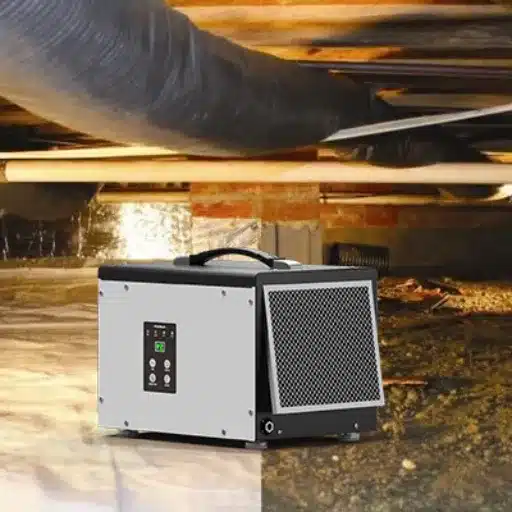
If you need to choose a dehumidifier for your basement, first consider the model with the highest moisture removal capacity, as basements are usually very humid and have limited ventilation. It is also necessary that the unit has an auto-drain or pump feature to take care of the water collected since it might not be easy to empty the tanks frequently in the basement. A dehumidifier with a built-in humidistat should be included in the list as it will allow for proper monitoring and adjusting of humidity levels in the room.
Why Basements Require Special Attention
Basements need special care because they are often the areas with the highest humidity, as they are underground and can be affected by moisture from the surrounding soil. Moreover, insufficient basement ventilation can trap damp air, leading to mold growth, structural damage, and unpleasant odors. Tackling these problems is essential to prevent long-term damage and maintain a healthy household environment.
Best Humidity Settings for Basements
It is advisable to keep the dehumidifier in the range of 30% to 50% to control humidity in basements at an optimal level. The moisture content of air within this range is said to be conducive to killing mold, eliminating odors, and safeguarding buildings from moisture-related damage. If the basement is too moist, set the dehumidifier to 30% at first, then increase it if the air is too dry. You should check the humidity level from time to time to ensure it stays within the preferred range.
Common Issues in Damp Basements and Solutions
Mold and Mildew Growth
Dehumidifiers ought to be installed alongside ensuring good ventilation in the premises to keep moisture levels down, which would also help prevent mold growth. Cleaning areas where mold is growing should be done regularly with anti-fungal solutions.
Musty Odors
The dampness problem should be addressed by sealing cracks and leaks and using odor absorbers such as baking soda or charcoal to freshen the air.
Water Leaks
Water ingress can be prevented by locating and sealing foundation cracks or leaking pipes. If water problems are persistent, a sump pump installation should be considered.
Condensation on Walls and Windows
Installation of walls and window insulation is needed to minimize the temperature variation which leads to condensation. Use of fans to circulate air can also be a solution.
Damaged Flooring or Walls
It is wise to replace the damaged items and to use moisture-resistant like vinyl or ceramic flooring. Wall painting with waterproofing materials can be done for extra protection.
Seasonal Adjustments for Dehumidifier Settings
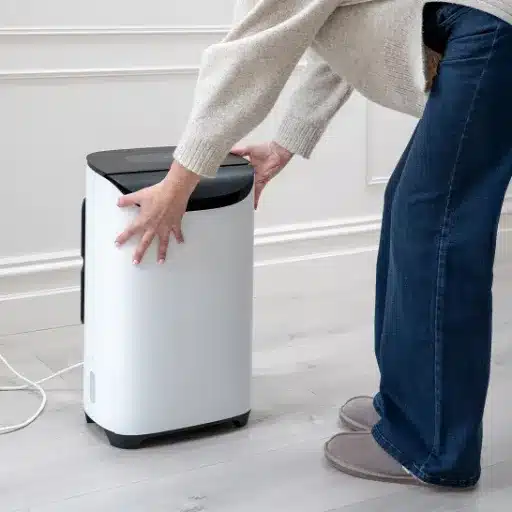
To keep indoor humidity levels at their best, the dehumidifier settings must be adjusted according to the season. In summer, the appliance should be set to maintain a relative humidity between 40 and 50 percent, which will help address the higher humidity caused by warmer air. On the other hand, in winter, a relative humidity of 30-40% is the goal since cold air can hold less water vapor and too much moisture can cause problems like water condensation and freezing. Hence, check and adjust the settings frequently based on outside weather and indoor comfort.
Setting Your Dehumidifier in the Summer
During the summer, set your dehumidifier to keep indoor air at 40-50% relative humidity. This humidity range is advantageous for drying baby rooms and preventing mold growth and unpleasant odors caused by excess moisture. Good airflow and central location should be considered when placing the dehumidifier, and its water reservoir should be emptied at regular intervals or drainage system checked for proper operation. A hygrometer can be used to monitor indoor humidity and confirm the effectiveness of the settings, and adjustments can be made based on comfort and weather changes.
Adjusting Settings for Winter Conditions
In winter, it is essential to maintain indoor humidity levels around 30-40% to prevent excess moisture and prevent the air from drying out too much. You can set your dehumidifier to this humidity range and, at the same time, measure indoor humidity with a hygrometer. Make sure the device is not located near heating vents or cold surfaces to prevent inefficient operation. Suppose the room temperature drops outside the dehumidifier’s operational range. In that case, you can either choose a model with a built-in defrost feature or use a space heater to create a suitable environment. Check the dehumidifier coils for frost regularly and set the temperature to your needs to ensure optimal performance.
Managing Humidity During Transitional Seasons
During transitional periods of the year, I keep indoor conditions perfectly balanced and comfortable. First, I rely on a hygrometer which I use regularly to measure humidity levels, with a target range of 30% to 50%. If the air is too dry or too moist, I make the necessary adjustment by using a dehumidifier or humidifier, or simply letting the room air out. Besides, it is I who make sure that my dehumidifier runs at its best by placing it far from heat sources or cold spots. When the temperature drops, I either use a space heater or a dehumidifier with a defrost function to prevent frost buildup. These proactive steps keep moisture at the desired level and create a healthy living environment.
Maintaining Optimal Indoor Air Quality
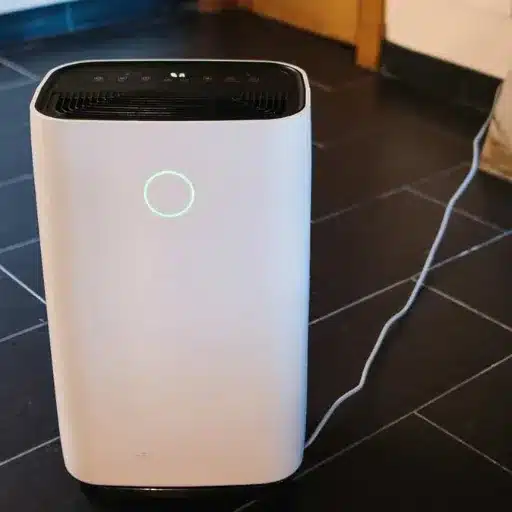
In order to keep your indoor air quality at its best, it is necessary to regularly ventilate the area, install air purifiers that will eliminate the pollutants, control the humidity levels, and keep your living space clean by vacuuming and dusting often. Moreover, do not smoke indoors and limit the use of products that emit toxic substances, e.g. aerosols or strong cleaning agents, to the minimum.
Tips for Using Your Dehumidifier Effectively
- ✓ Position the Dehumidifier Properly:
The dehumidifier should be located right in the middle of the area it is meant to dehumidify, with no barriers of any kind around it such as walls or pieces of furniture that might obstruct the intake and exhaust vents thus depriving the dehumidifier of clean air to operate. - ✓ Set the Humidity Level Appropriately:
The humidity level should be set between 30% and 50% to ensure a comfortable, healthy indoor environment. - ✓ Empty the Water Tank Regularly:
The water collection tank should be checked and emptied regularly to prevent the dehumidifier from being interrupted. On the other hand, if there is a continuous drainage option, use it. - ✓ Clean the Filters Periodically:
Clean or replace the air filters according to the manufacturer’s instructions to ensure the dehumidifier lasts longer and operates at peak efficiency. - ✓ Monitor the Unit’s Performance:
Regularly check the dehumidifier for signs of wear and tear, for example, leaking, and if the unit is in a good condition, it will surely be functioning at its best.
Combining Dehumidifier Use with Other Air Quality Tools
Dehumidifiers are very effective when used together with other air quality tools that complement their functionality. For example, an air purifier used with a dehumidifier can effectively eliminate allergens, pollutants, and odors while also maintaining a favorable humidity level. There are also air quality monitors that provide real-time data, which can be very helpful in making you adjust your device settings to address the particular need. In areas with high humidity where mold growth is possible, combining a dehumidifier with proper ventilation systems not only prevents moisture but also improves air circulation. By using these tools together, you can transform the indoor environment into a healthier, more comfortable space that specifically meets your needs.
Regular Maintenance Tips for Dehumidifiers
Clean the Filter Regularly
Most of the time, dehumidifiers come with a filter that is removable and it traps dust and allergens. Keep efficiency by cleaning or replacing it according to the manufacturer’s instructions.
Empty the Water Tank Often
To avoid overflows and bacterial growth, make sure the water collection tank is emptied regularly. Alternatively, if the unit allows for continuous drainage, use a drain hose.
Inspect the Coils for Frost
Check the dehumidifier’s coils during the colder months. If frost forms, turn off the unit and let it warm up before turning it back on again.
Wipe Down the Exterior
The exterior of the dehumidifier can get dusty and dirty. To keep it in good condition, gently clean the surface with a slightly damp cloth.
Perform Annual Maintenance
Conducting annual maintenance on the unit will help to detect any problem from the beginning, e.g. damaged seals, clogged hoses, or unusual sounds. Having the dehumidifier serviced every year will help to extend its working life.
Frequently Asked Questions (FAQs)
To stop condensation, what humidity interval should a dehumidifier be set to?
To avoid condensation and the development of dampness, mould and bacteria, your dehumidifier should be set at a humidity range of 40-50% relative humidity (RH). By maintaining this level of humidity, you make your space more comfortable and the moisture in the air is reduced; usually, surface condensation is avoided below about 60%, but still, 40-50% is the best for comfort and mould prevention without making the air too dry.
For best results, where should the dehumidifier be situated in the house?
If possible, place the dehumidifier near the center of the room, slightly above the floor, and away from the wall so airflow is not obstructed. The dehumidifier in the basement or crawl space should be positioned near the source of the humid air or at the highest humidity. Correct positioning and set-up allow the dehumidifier to run and remove surplus moisture efficiently.
Which target RH (relative humidity) should I set for the basement to remain dry?
Usually, keeping the humidity level at 45-50% RH will effectively dry out the basement, reduce musty smells, mold, and damage to your house. Suppose your basement is cold and consistently moist. In that case, you might need to go with the lower end of that range, or consider a desiccant dehumidifier for low temperatures and very wet conditions.
Does lowering the setpoint improve the dehumidifier’s performance in cooler conditions?
Reducing the setpoint will compel the dehumidifier to extract more moisture. Still, in cold weather standard refrigerant dehumidifiers might have to cope with a lot of frost forming and even shutting down due to ice accumulation—desiccant dehumidifiers or low-temp units work best. Also, don’t forget that being on all the time to achieve very low humidity can be wasteful—choose the right kind and size to deal with moisture at the expected air temperature.
What should I do with the humidity control settings to prevent humidity from increasing after showers or laundry?
Control the dehumidifier smartly or use a timer, and set the target humidity slightly lower than your regular indoor RH so it can quickly remove moisture after showers or laundry. If possible, position the appliance close to the moisture source, use a higher fan speed for short durations, and provide good ventilation to prevent the reoccurrence of humidity rises.
How often should I measure humidity in your area and perform dehumidifier maintenance?
Humidity should be measured regularly, especially during seasonal changes when humidity is high, using a humidity reading device or the dehumidifier’s built-in sensor. Empty or drain the unit when needed, clean the filters, and inspect the coils to enhance the dehumidifier’s performance. Maintenance ensures the unit does not have to operate continuously while maintaining the right humidity level for comfort and preventing mould growth.
Reference Sources
-
10 Rules for Using a Dehumidifier – Recommends setting a dehumidifier between 30% and 50% to prevent dampness and mold.
-
What Is the Best Humidity Setting for a Dehumidifier? – Suggests aiming for 30%-50% humidity, with an ideal setting around 40%.
-
What Is the Best Humidity Setting for a Dehumidifier? – Highlights the EPA’s recommendation of maintaining indoor humidity between 30% and 50%.
-
What’s a Good Humidity Level to Set My Dehumidifier To? – Discusses practical experiences and considerations for setting dehumidifiers.
-
Humidity and Sleep: Optimize Your Sleep Environment – Notes that the EPA recommends indoor relative humidity between 30% and 50%, not exceeding 60%.