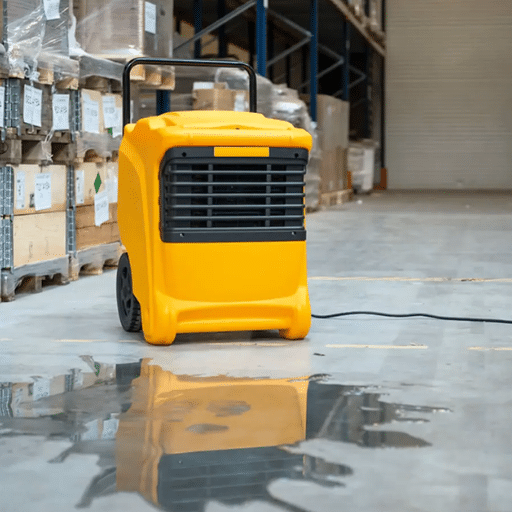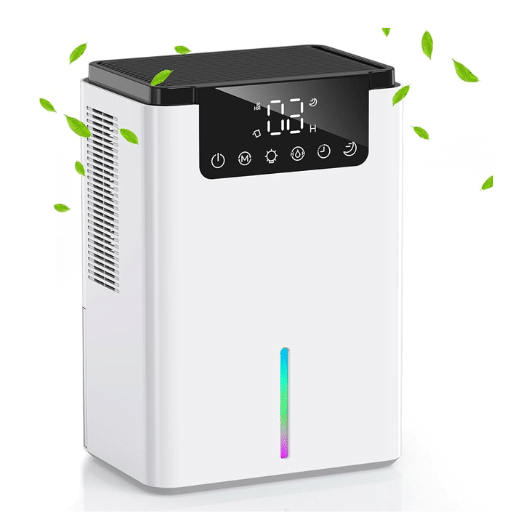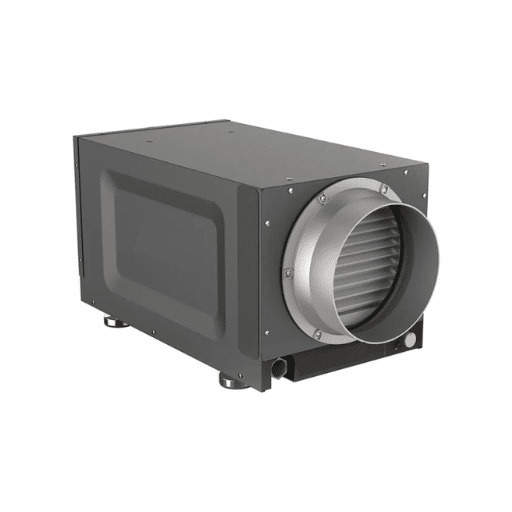
Humidity levels are one of the significant factors in many industries that need to be monitored and kept within certain limits. The presence of too much humidity can cause a lot of problems, such as ruining the products, corroding machines, and the air in the indoor area being of poor quality, thus affecting the productivity and safety of the whole place. The industrial dehumidifiers come into play as the only solution that is really needed. They are purposely built for effectively removing the moisture and thus become the mainstay equipment in the manufacturing, pharmaceutical, food, and storage industries. The present article is all about the various kinds of industrial dehumidifiers used for humidity control, with a focus on how they help in increasing operational efficiency, protecting the integrity of materials, and being a part of eco-friendly practices. It does not matter if you are operating a huge production plant or making sure your delicate stock is well-preserved; the understanding of the dehumidifiers’ strategic role is the main thing to have when it comes to establishing a controlled, efficient, and compliant environment.
Introduction to Dehumidifiers in Industrial Applications

Industrial dehumidifiers are specialized machines that are made to effectively handle and eliminate the unpleasant high humidity characteristic of different industrial settings. They work by pulling water vapor from the air, thereby eliminating the listed problems of condensation, the growth of molds, and rusting, among others. These systems are indispensable in places such as manufacturing factories, storage facilities, and laboratories to make sure that the equipment lasts, the products are of high quality, and the whole production cycle is running smoothly. The ability to manage humidity levels effectively is one of the factors that place industrial dehumidifiers among the contributors to the compliance with the quality standards of the industry, as well as to the creation of a work environment that is not only safe but also conducive for greater output.
What is an Industrial Dehumidifier?
An industrial dehumidifier is essentially a specific device intended to control and monitor the humidity levels in big or commercial places. These units are different from residential dehumidifiers as they are made to manage high moisture levels and work well under tough conditions. The operation of these machines involves taking in humid air, reducing its temperature to condensation, and then removing the water vapor, after which the dry air is reheated and blown back into the room. The use of industrial dehumidifiers is a must for the prevention of moisture-related problems like mold, mildew, and the decaying of metals, and at the same time, they create perfect, stable environmental conditions for sensitive procedures, machines, or products. The most common places to use them are factories, food storage and processing, pharmaceutical industries, computer rooms, and so on, where accurate humidity control is necessary. By reducing the humidity, the systems improve the productivity of the workers, maintain the machines in good condition for a longer time, and help the company meet the requirements of quality standards relevant to their industry.
Importance of Humidity Control in Industrial Settings
In various industrial environments, the control of humidity is deemed an important factor because it has a direct influence on product quality, the efficiency of operations, and compliance with regulations. If not managed properly, higher humidity will cause condensation, mold growth, and equipment corrosion, while poor humidity levels will lead to issues like electrostatic discharge and material degradation. For instance, in the case of the manufacturing of pharmaceuticals, it is mandatory to have the right humidity levels in order to secure the stability and effectiveness of the drugs. Likewise, in the production of electronics, humidity that is not controlled can be a major contributor to the destruction of delicate parts, hence causing lower output and more defective products.
Along with the quality of the product, the proper control of humidity levels can also result in less energy usage and lower operating costs by making the HVAC systems more efficient and cutting down the demands for unnecessary heating or cooling. Moreover, it is a similar case in the food processing industry, where humidity control is even more stringent as it is required to prevent spoiling, keep the texture of the product, and adhere to the regulations regarding health. Monitoring and dehumidification systems are the advanced tools in making sure that industrial facilities live up to the required conditions for safe and efficient operations.
Overview of Dehumidification Technology
The technology for dehumidification is created to control and erase the excess moisture in the air, which also leads to getting the optimal humidity levels for various applications. The method requires the support of specialized equipment, for instance, desiccant and refrigerant-based systems, to name a few. Desiccant dehumidifiers suck up the moisture from the air with the help of hygroscopic materials, and that’s why they are used in ice-cold environments or in industries that require extremely delicate humidity control, such as the pharmaceutical industry or the electronics sector. On the other hand, refrigerant dehumidifiers bring down moisture by cooling the air below its dew point, thus taking out water effectively and blowing drier air.
Present-day dehumidifiers generally use smart sensors and control systems that have the ability to check and alter the performance in real-time, thus being more energy-efficient and accurate in operation. The mentioned technologies are also capable of being part of HVAC systems, thereby making the climate control of a colossal building more effective. Factors such as humidity range, energy usage, and maintenance, along with a few others, play a significant role in choosing a particular dehumidification technology. Dehumidification is one of the most important aspects of industrial processes, data centers, and residential climate management, and it assures safety, performance, and adherence to regulatory standards.
Types of Industrial Dehumidification Systems

System Comparison
Refrigerant-Based Dehumidifiers
Refrigerant-based dehumidifiers work by cooling the air to the point where the moisture condenses and can be collected, thereby reducing the humidity level in the room. The operation of this type of dehumidifier is greatly affected by the ambient temperature and humidity levels; it works best in hot and humid conditions.
Desiccant Dehumidifiers
Using substances that absorb moisture, desiccant dehumidifiers are very useful in situations where the temperature is low or the humidity is very low. They are frequently found in industries that require strict control over humidity levels.
Ventilation-Based Systems
These systems ventilate the area and keep the humidity level within the desired range by bringing in and processing fresh air. They are most suitable for places where the introduction of fresh air is necessary, along with the control of moisture.
Hybrid Dehumidifiers
Hybrid dehumidifiers make use of both desiccant and refrigerant technologies to provide the best possible performance across a wide range of applications. They are ideal for places where humidity and temperature levels change frequently.
Mechanical vs. Desiccant Dehumidifiers
Mechanical and desiccant dehumidifiers work on different principles, so each is appropriate for certain applications. Mechanical dehumidifiers, mostly called refrigerant dehumidifiers, cool the humid air below its dew point, which results in water vapor becoming liquid and then collected. These systems enjoy great popularity in residential, commercial, and industrial spaces where humidity is moderate and heat is high because they are very efficient in warm, humid conditions.
Desiccant dehumidifiers, in contrast, use hygroscopic materials that are capable of holding moisture to take moisture out of the air. This process is independent of temperature, making desiccant systems perfect for applications with very low humidity, such as in pharmaceutical or electronics manufacturing, or for cooler climates.
The decision to go for one of these two types is based on several factors, such as the temperature in the place, the desired humidity level, and the specific environmental conditions. Mechanical dehumidifiers are great for high-moisture, hot conditions, while desiccant units are essential for low-temp or accurate moisture control cases. Both systems are crucial for different industries in terms of air quality and environmental conditions.
| Dehumidifier Type | Operating Principle | Best Applications | Temperature Dependency |
|---|---|---|---|
| Mechanical (Refrigerant) | Cool air below the dew point to condense moisture | Warm, humid conditions; residential and commercial spaces | Highly dependent on temperature |
| Desiccant | Uses hygroscopic materials to absorb moisture | Low temperature environments; pharmaceutical and electronics manufacturing | Independent of temperature |
Dedicated Dehumidification Systems
Specialized dehumidifiers are singularly conceived units whose only purpose is to control the humidity in indoor spaces, regardless of the heating or cooling systems in place. These dedicated solutions offer the most precise and stable humidity control, while HVACs, for instance, may have basic humidity control as a part of the heating and cooling functions. They are widely used in areas where control of moisture is critical for product quality, regulatory compliance, or even just proper functioning, like the manufacturing sector, pharmaceuticals, data centers, and food storage, among others.
The state-of-the-art dedicated dehumidification systems feature assorted sensors, low-energy usage, and the capability to change with the environment. The systems could use mechanical (refrigerant-based) or desiccant technology—or even a combination of both—based on the requirements of the operation. For example, very dry and cold places are generally preferred to install desiccant systems, as these provide consistency in performance even at low temperatures. On the other hand, mechanical systems are the best option for hot places with high humidity because they are very effective in such conditions.
In general, dedicated dehumidification systems not only offer moisture control but also assure the best possible environmental condition through battling with really demanding scenarios. The system to be chosen will depend on the conditions of the ambient climate, energy consumption efficiency, capacity, and project-specific needs, among others.
Hybrid Dehumidification Solutions
Technology Overview
Hybrid dehumidification solutions join the benefits of various dehumidification technologies to create a system that is more energy-efficient and flexible for controlling humidity. Normally, these systems consist of mechanical refrigeration and desiccant-based methods, and the two are used to optimally remove moisture in a large variety of environmental conditions. The mechanical part of the system is very good at working with high ambient temperatures, whereas the desiccant part has the opposite effect, as it can deal with low humidity levels and even static moisture loads very well.
Hybrid solutions can be used in many areas, such as industrial processes, data centers, pharmaceutical facilities, and commercial buildings. Their benefits include better energy efficiency, lower operational costs, and better system scalability to meet the changing demands. For the right implementation, it is necessary to choose a solution that is specifically designed for the environmental conditions, operational requirements, and energy constraints of the application area. Therefore, hybrid systems will be seen as a strong and flexible choice for areas needing tight and credible humidity control.
Energy Efficiency and Performance of Dehumidifiers

A dehumidifier’s energy efficiency is often defined by its Energy Factor (EF), a measure of the moisture extracted per energy unit consumed. Top-notch dehumidifiers work to conserve energy and bring about the perfect humidity level at the same time. Going for an ENERGY STAR-labeled product will guarantee you are living up to strict efficiency restrictions. Moreover, the dehumidifier’s performance is closely related to its capacity and the size of the room; an undersized or oversized unit will cause either inefficiency or poor performance. Routine maintenance, like filter and coil cleaning, adds to energy efficiency and performance as well.
Evaluating Energy Usage in Dehumidification
The energy consumption during dehumidification processes depends on a number of factors, including the ability of the unit, its energy efficiency rating, and the environment in which it operates. The modern dehumidifiers that have ENERGY STAR certifications generally consume around 15% less energy than the non-certified ones, which, over time, leads to the realization of considerable savings on the energy bill. The energy usage is usually between 300 and 700 watts per hour, which is based on the size and capacity of the dehumidifier. Homeowners should place the unit in humid areas for the best energy efficiency and also make sure that there is no blockage of airflow around the device. Moreover, the use of smart features such as programmable timers and humidity sensors can help cut down on power that is unnecessarily consumed.
Moreover, taking advantage of nature’s helping hand can coexist with the energy-efficient approaches; for instance, the machine used in the period of lower humidity will lead to less stress on the system. Thrifty consumers should keep an eye on their electricity consumption by using wattage meters or by connecting dehumidifiers to home energy management systems that help track and optimize such consumption. By choosing high-efficiency models and following the best operational practices, the cost of energy related to dehumidification can be greatly reduced while still maintaining the desired indoor air quality.
Improving Energy Efficiency in Industrial Dehumidification
Optimizing energy use in industrial dehumidification is not a simple task, and it requires advanced technology and organizational best practices to be applied together in the process. To begin with, the use of energy-efficient dehumidifiers with variable-speed compressors and heat recovery systems can lead to a significant reduction in energy consumption. This is because these innovations take only that much energy, which is necessary for keeping the humidity at a certain level.
Moreover, the implementation of a well-maintained system is an absolute necessity for the attainment of operational efficiency. Periodic cleaning or changing of air filters, checking of coils, and sensors, speeds up system performance to its full capacity, and so the energy wastage is reduced.
Also, dehumidifiers should be positioned and operated to their greatest potential in the industrial areas to cut down on inefficiencies. For example, maintaining good air flow by keeping the equipment free from obstructions and using zonal dehumidification — which focuses on clearing out the particular areas with too much moisture — can still make energy consumption less.
Another important thing is to integrate smart control systems and IoT (Internet of Things) solutions, which will allow for real-time monitoring and adjusting of humidity levels according to changes in the environment. These systems are capable of changing their operations dynamically so as to minimize energy consumption while still providing the necessary humidity levels, and that’s why they are considered a valuable tool for long-term energy optimization in industrial plants.
Cost-Effectiveness of Modern Dehumidification Solutions
Today’s dehumidification systems are very cost-effective, thanks to the focus on energy efficiency, flexibility, and savings in the long run. Among the modern technologies, desiccant dehumidifiers and energy recovery ventilators are the groundbreakers that cut down the costs involved in the operation by incorporating heat exchange systems to re-enter energy in the course of dehumidification. On top of that, smart controls supported by IoT systems allow for the accurate supervision of the process and the making of automated changes that would otherwise not be done, thus the energy input becomes waste, and the utility cost lowers. The initial cost may seem high, but it is compensated for by the savings through energy consumption and maintenance that are a lot lower in the long run. Also, the adjustable designs allow the companies to customize their dehumidification solutions according to their environments and thus only pay for what they need. This not only brings about a quick return on investment but also the productivity of the business, making it more sustainable in the long run.
Challenges in Industrial Humidity Control
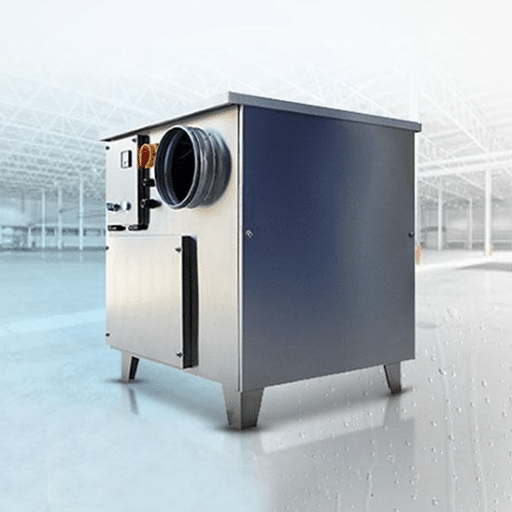
Achieving industrial humidity control that is effective is one of the most challenging tasks to deal with. Among common problems is the difficulty of keeping exact humidity levels in areas where the temperatures are constantly changing, as these imbalances can result in rusting of equipment or spoilage of products. Moreover, energy costs may become a huge burden to the budget if the humidity control system used is very advanced and, therefore, very energy-consuming. Yet another problem is the difficulties in fitting humidity control systems to the existing infrastructure without halting production, especially in the case of plants that have complicated layouts. Finally, one cannot skip maintenance, since the poor performance of the system will lead to inefficiency and diminution of air quality, which, in turn, may compromise the integrity of the product and pose safety hazards for workers.
Addressing Excess Humidity Issues
To manage excess humidity in industrial and commercial settings effectively, one has to be strategic in the use of technology and also in the planning aspect. Identifying the root causes of the high moisture levels is the first step, and environmental conditions, process activities, or even poor ventilation might be the root cause. Moisture control through the application of advanced solutions, such as desiccant dehumidifiers or HVAC systems with humidity control, can be done. For those facilities that want to avoid disruption, modular systems can be seamlessly integrated into the existing infrastructure. Moreover, energy-efficient systems that have variable speed drives and smart sensors can not only optimize but also minimize the operating costs. Regular maintenance and monitoring are always necessary, as this ensures that the issue is caught early enough before it affects safety or production quality. The application of the right solutions that match the exact needs of the facility makes it possible to keep the humidity levels under control, protect the equipment, and improve overall efficiency.
Maintaining Optimal Humidity Levels
To keep the humidity levels at their best, it takes a mixture of high-accuracy measuring devices, good system design, and constant checking. The most advanced humidification tools, for example, the ultrasonic or evaporative humidifiers, can offer steady and effective control of the humidity by the use of energy-efficient processes. The use of sensors that can provide real-time monitoring is vital for detecting changes in humidity and regulating the systems automatically in order to keep the desired parameters. Effective insulation and sealing of the buildings are also very important in reducing the impact of outside influences on the quality of indoor air.
Moreover, the incorporation of humidity control within the HVAC systems assures that hot and cold air are distributed evenly, whilst also keeping the energy consumption in check. The setting of certain humidity levels, which is mostly the range of 30% to 60% depending upon the application, helps to avoid the growth of microbes, protect sensitive devices, and keep the comfort of the occupants. The calibration and cleaning of the equipment at regular intervals, along with planned maintenance, lowers the chances of breakdown and guarantees the longevity of the system. By applying a custom policy that takes into consideration environmental factors and operational needs, the facilities would be able to sustain their desired humidity levels while at the same time enhancing productivity and reducing resource use.
Regulatory Compliance and Standards
Regulatory compliance and standards are strictly followed in the companies, and thus, safe, efficient, and environmentally responsible operations are ensured everywhere. Various organizations like the EPA, OSHA, and ISO, among others, offer detailed regulations and guidelines on the matters. There are certain standards, such as ISO 14644 for cleanrooms and ISO 50001 for energy management, which create quality of air, efficiency of energy, and optimization of systems to be the yardsticks. Compliance ensures that the operations of equipment are in accordance with the law, thus reducing the chances of being fined and keeping the environment safe and healthy. Besides, the organizations have to consider the issues of documentation, regular audits, and training of staff for compliance with the national and international regulations.
| Regulatory Body | Standard/Regulation | Focus Area |
|---|---|---|
| EPA | Environmental Protection Guidelines | Environmental responsibility and emissions |
| OSHA | Occupational Safety Standards | Worker safety and health |
| ISO | ISO 14644 (Cleanrooms) | Air quality in controlled environments |
| ISO | ISO 50001 | Energy management systems |
Future Trends in Industrial Dehumidification

Future Outlook
The field of industrial dehumidification is undergoing a transformation owing to the above factors. In the future, the systems will likely use less energy due to the introduction of high-efficiency desiccant materials and heat recovery solutions as well. IoT (Internet of Things) implementation will allow for real-time monitoring and predictive maintenance, thus improving the operation and reducing the period of being offline. Moreover, the emphasis on eco-friendly refrigerants and less carbon emissions is going to be the main driver for innovation in the area of compliance with the global sustainability goals. The trends signal a turning point where industries will no longer be using outdated, energy-consuming, and environmentally harmful dehumidification technologies, but instead, they will be adopting new ones that are more adaptable, energy-efficient, and conscious of the environment.
Innovations in Dehumidification Technology
The unrelenting quest for effective moisture control solutions in various sectors and the environment has led to the Use of the most advanced techniques in dehumidification technology. One of the breakthroughs in the field is the application of state-of-the-art desiccant materials, which not only improve moisture adsorption ability by a great deal but also lower the energy output at the same time. Due to these state-of-the-art materials, dehumidifiers work at a high level in almost any environmental condition and thus are applicable from big industrial worksites to cozy homes.
The trend of utilizing hybrid dehumidification systems is on the rise, which takes advantage of both mechanical cooling and desiccant treatment methods to achieve superior effectiveness and performance. Such a system is less expensive to run and, at the same time, meets the strict energy efficiency requirements.
In the line of smart technology applications, another exceptional development is coming. Now, the IoT-enabled dehumidifiers provide the functionality of remote monitoring and control, which allows for real-time environmental data adjustment. The AI plus machine learning-driven predictive maintenance is not only cutting maintenance costs but also prolonging the life of the machinery.
Furthermore, the industry is facing a transformation due to the innovations of green refrigerants. The new refrigerants that have less than the conventional ones in terms of global warming potential (GWP) are in line with the international sustainability regulations, and hence their uses are becoming the industry norm. All these innovations together are pointing towards a transition from the traditional way of thinking to a more modern, smart, energy-efficient, and eco-friendly dehumidification technology.
Sustainability in Industrial Dehumidification
The main point of sustainability in industrial dehumidification is to make a compromise between performance and environmental responsibility. At least, this is how I see it, and therefore, the measures that need to be taken for this purpose are the installation of energy-efficient systems, the use of renewable energy sources, and the inclusion of low-GWP refrigerants to lessen the overall impact on the environment. These priority-setting advancements not only improve operational efficiency but also contribute to the global sustainability goals.
Forecasting the Future of Humidity Control Solutions
Humidity control solutions are going to be majorly influenced by the upcoming developments in smart technologies, eco-friendly materials, and power-saving designs. The use of smart sensors and IoT-based systems is expected to become widespread, providing the possibility of real-time monitoring and accuracy in controlling the humidity levels. These advancements have a double advantage of not only enhancing the quality of service but also allowing for predictable maintenance that consequently results in reduced downtime and operating costs. Moreover, the sector is likely to switch to the use of more green materials and processes, such as low-GWP refrigerants and sustainable manufacturing, to meet the strictest global environmental regulations. The move towards renewable energy integration, especially the use of solar energy in dehumidification systems, will not only improve energy efficiency but will also lead to a reduction in the carbon footprints of these systems. In short, these developments mark the beginning of a revolutionary phase during which the technological innovations will be in perfect harmony with the environmental protection efforts.
Reference Sources
James Madison University – Improving the Energy Efficiency of Dehumidification Technology
Discusses the energy efficiency of dehumidification in large facilities, with practical examples like HVAC systems in resorts.
Purdue University – Membrane-Based Air Dehumidifier Using Ionic Liquid
Explores experimental studies on membrane-based dehumidifiers, focusing on their performance and efficiency in industrial applications.
Massachusetts Institute of Technology (MIT) – Desiccant Dehumidification Analysis
Analyzes the use of desiccant systems in industrial dehumidification, comparing liquid and solid desiccants for building applications.
Frequently Asked Questions (FAQs)
How do industrial dehumidifiers for industrial applications control humidity in large-scale industrial spaces?
The large-scale industrial spaces are kept under control with the help of industrial dehumidification equipment, which includes a combination of commercial dehumidifiers and desiccant dehumidifiers. These commercial dehumidification machines are usually hydro-specified to meet the process of dehumidification needed in the production area or the cold storage room. The machines work on the basis of either the refrigeration method or the desiccant method, where lowering the relative humidity and controlling the dew point takes place. The cleanup of air with the help of the right dehumidifiers helps improve air quality while also saving the products and machines from damage caused by uncontrolled humidity.
Why is moisture control critical in a warehouse, and what types of industrial dehumidifiers are best?
Moisture control in a warehouse can keep the environment free from mold, corrosion, and also spoilage of stored goods by maintaining the relative humidity (RH) within the targeted ranges. For very large industrial storage areas, the use of refrigeration dehumidifiers is the common practice, while the choice of desiccant units comes in case there is a requirement for low dew point or accuracy in humidity. The selection of types of industrial dehumidifiers should depend on the thermodynamic qualities of the moist air in the environment, the production process or storage needs, and whether the situation is cold storage or warm, moist air.
How do industrial dehumidifiers for industrial processes affect production process quality?
The role of industrial dehumidifiers is to contribute to the ultimate quality of the manufactured products by setting up and maintaining the required humidity levels during the various stages of manufacturing. This reduces the number of defects produced, improves the performance of adhesion and coating, and allows continuous operation with no moisture-related downtimes. The use of customized dehumidification and industrial dehumidification solutions ensures the maintenance of consistent relative humidity and dew point in the industrial sector that requires strict RH control, thus improving the output and reducing waste.
What is the difference between commercial dehumidifiers and desiccant dehumidification systems for moisture control?
The commercial dehumidifier (refrigerant) systems condense moist air on cold coils and are very efficient in energy consumption during typical ambient conditions. On the other hand, the desiccant dehumidification systems are more effective when very low humidity is required since they can achieve much lower dew points due to the use of hygroscopic materials that adsorb moisture. The best option mainly depends on dehumidification needs, the temperature and relative humidity requirements, and the possible considerable savings on energy costs if the correct technology is matched to the application.
How do you size industrial dehumidification systems for a warehouse to remove excess moisture from the air?
The sizing of industrial dehumidification systems is done by calculating the moisture loads coming from the various sources, like the infiltration of incoming air, process moisture (moist air from production), stored goods, and ambient conditions. Engineers determine the relative humidity and dew point targets, the thermodynamic properties of moist air, and peak load scenarios to select the dehumidifiers for industrial use that have the necessary capacity. Also, proper installation and maintenance are important for effective dehumidification and long-term performance.
Can industrial dehumidifiers for industrial applications reduce energy costs and provide significant energy savings?
Indeed, optimally designed commercial dehumidification systems can result in considerable energy savings through the application of heat recovery, the right choice of technology (refrigeration vs. desiccants) for the given environment, and the adjustment of duty cycles. The integration of dehumidifiers with building controls in a manner that humidity levels are maintained precisely, rather than being overcooled or overheated, can result in an overall reduction of energy use while still controlling humidity and dew point.
What are common maintenance and installation considerations for industrial dehumidifiers to ensure effective moisture control?
The installation and maintenance of industrial dehumidifiers are critical: it is necessary to ensure proper placement to allow for airflow, provide ducting for large-scale industrial areas, clean filters and coils regularly, inspect desiccant wheels or compressors from time to time, and calibrate RH sensors. The activities of industrial dehumidifiers involve the utilization of controls to continuously monitor relative humidity, and they often demand the scheduling of servicing to prevent the occurrence of uncontrolled humidity and to ensure the constant dehumidification performance over time.
How do you choose between off-the-shelf commercial dehumidifier models and custom dehumidification solutions for specific industrial needs?
Off-the-shelf models of commercial dehumidifiers are appropriate for standard warehouses or moderate production processes, offering reliable moisture removal and easy installation. A custom solution would be the choice for any application requiring unusual RH targets, very low dew points, integration with cold storage, or large-scale industrial processes with unique moisture and humidity profiles. Working closely with manufacturers or suppliers similar to dehumidifier corporation of America can assist in establishing whether commercial dehumidification systems will suffice or if a customized industrial