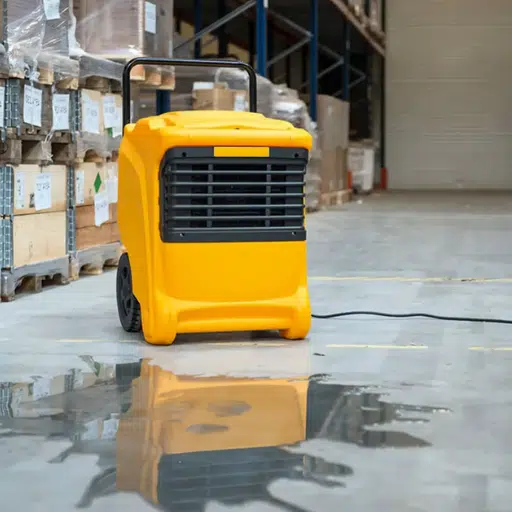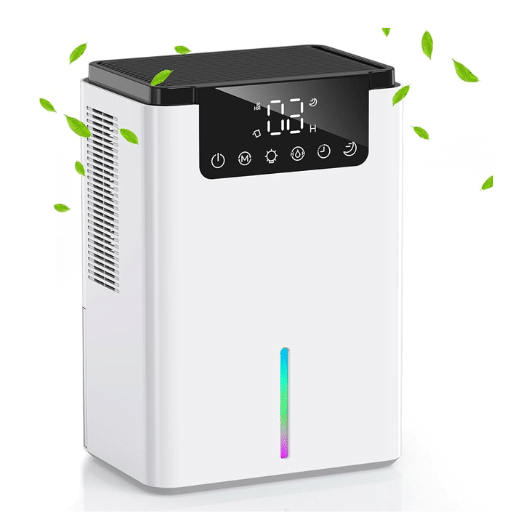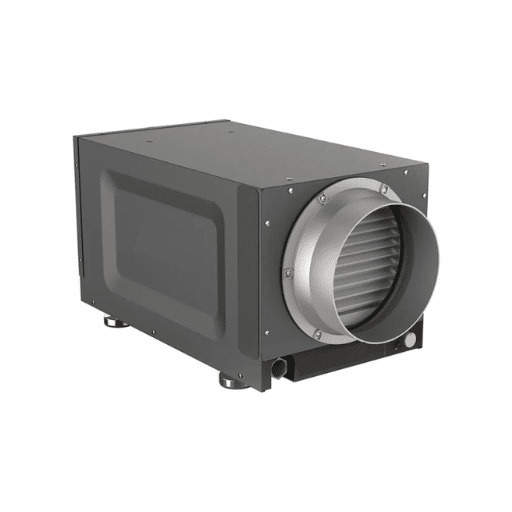
Optimum moisture level within the industrial environment is a major factor in maintaining the integrity, efficiency, and safety of such areas. High humidity can cause equipment and products to become irreparably damaged, and in some cases, it can even render the environment unsafe for workers because of the presence of mold and corrosion. This is where small industrial dehumidifiers come in, which are very compact but powerful enough to solve moisture challenges in different industrial areas. They are great solutions. This paper will introduce the most important advantages of these efficient devices, their practical applications, and the high-tech methods that make it all possible. Humidity control is one of the key factors that can significantly impact operational performance. If you are in charge of a warehouse, factory, or delicate storage area, then knowing how to manage humidity correctly can be a great benefit.
Understanding Dehumidifiers

Dehumidifiers are machines that eliminate surplus moisture from the air, thereby assisting in maintaining the humidity level in closed areas. Their method of functioning is as follows: The units pull in damp air, and then cool it in such a way that the water is separated and collected while the dry air is allowed to pass back into the environment. The process is effective in stopping the formation of fungus, rust, and other similar problems, thus saving both buildings and the materials being stored. Dehumidifiers are a must in cases where total control of the environment is required, like in warehousing, manufacturing, and archival storage. To select a suitable dehumidifier, one needs to take into account the factors like the size of the room, the humidity levels one wants to maintain, and the particular needs of the application.
What is a Dehumidifier?
A dehumidifier is a device no other than a specialized one that can easily be said to be the one that is meant to reduce humidity in the air to a specific level and even keep it that way. The way it does this is by pulling in humid air, cooling it so that water vapour gets condensed and removed, and then letting the air that has become less humid back into the room. Dehumidifiers are mostly used in residential, commercial, and industrial settings where they play a big role in preventing problems like the growth of mold, mildew, and damage due to moisture. They are extremely important in places where the humidity has to be kept at a certain level, like storage rooms, manufacturing operations, and climate-controlled spaces. Besides, modern dehumidifiers come with different capacities, which are customized from small rooms to huge industrial installations, thus guaranteeing efficient and reliable performance.
How Do Industrial Dehumidifiers Work?
Industrial dehumidifiers work by the continuous extraction of moisture from the air, which then leads to the controlled humidity level. Normally, these machines are based on refrigerant or desiccant technology. The refrigerant-based dehumidifier sucks in humid air and lets it pass through cooling coils that have been refrigerated. The air gets cooled to the extent that water vapor precipitates and becomes liquid; this liquid is collected in a tank or drained away. In contrast, the desiccant-based dehumidifier employs a moisture-absorbent material like silica gel, which captures water molecules from the air as the air goes through the material. The Desiccant when saturated, is then heated to let out the water, which can either be vented out or condensed. The precision humidity regulation is typically reached through the use of sensors and digital controls. In industrial settings, such features and things may include high-efficiency airflow mechanisms, strong construction for harsh environments, and large areas or special environmental suitability.
Benefits of Using a Dehumidifier in Industrial Settings
Corrosion of Equipment Prevention
The corrosion of machinery and metal parts can be hastened by an excess of industrial humidity, which will, in turn, result in early wear and failure of the equipment. A dehumidifier does an excellent job of cutting down on moisture in the ambient air, thus prolonging and making more efficient the life of critical equipment.
Superior Quality of Product
Hygrometer-controlled humidity is a necessity for many industrial processes – manufacturing and food production are the main ones – to preserve the product’s quality. A dehumidifier not only maintains the absolute environmental conditions but also prevents the occurrence of such problems as mold infestation, warping, or spoilage, which otherwise would lead to product quality degradation.
Less Consumption of Energy in Climate Control
Dehumidifiers take humidity levels under control, thus relieving the overburdened HVAC systems. This results in better energy efficiency since the cooling systems can do their job better in an environment that has less moisture.
Safety and Comfort in the Workplace
Overly humid conditions can not only make surfaces slippery but also create an uncomfortable atmosphere for workers. Dehumidifiers, by means of moisture level control, transform the workplace into a safer and more comfortable place.
Aid for Specialized Applications
Some sectors, like pharmaceuticals or electronics, strongly demand precise humidity control for regulatory compliance or the proper functioning of sensitive materials. High-tech dehumidification systems are made ready to cope with these rigorous requirements.
Types of Industrial Dehumidifiers

The three main categories of industrial dehumidifiers are: Refrigerant, Desiccant, and Hybrid, each tailored for different types of environments and operational requirements:
Refrigerant Dehumidifiers
The operation of these machines is based on a refrigeration cycle that extracts moisture from the air. They work best in hot and humid conditions and find their application in places like warehouses, production plants, and sheltered areas.
Desiccant Dehumidifiers
They are built with a moisture-attracting substance that makes them fit for use primarily in cold or dry areas. Their application spans many sectors, such as pharmaceutical and food processing, where maintaining humidity levels is critically important.
Hybrid Dehumidifiers
By integrating the two main principles of refrigerant and dessicant technologies, hybrid dehumidifiers become the most versatile. They adapt to the variations in temperature and humidity and thus can be used everywhere.
Portable Dehumidifiers vs. Fixed Installations
The selection between portable dehumidifiers and fixed installations is mainly determined by the particular needs of the environment and the size of the operation. Portable dehumidifiers are small, easy to move around, and perfect for short-term usage or for a smaller area only. These devices are simple to install and can be moved according to the user’s preference, thus they are ideal for home users or small businesses. Moreover, they need very little effort for installation, and in general, they are more cost-effective upfront.
In contrast, permanent dehumidifier installations are intended for larger or specialized spaces that need constant dehumidification. They are equipped with higher capacity, are more durable, and give better performance along with the HVAC system. Fixed dehumidifiers are more likely to be found in industrial, commercial, or high-demand areas where constant and reliable performance is of paramount importance.
Each choice has its pros and cons; the decision should weigh the factors like the size of the room, humidity levels, budget, and whether the use is permanent or moving.
Commercial Dehumidifiers for Large Facilities
The decision on commercial dehumidifiers for massive applications has to consider several aspects for the best performance. In large spaces like warehouses, data centers, and factories, high-capacity commercial dehumidifiers are necessary to keep the humidity at the right level. Such systems usually come with powerful compressors, bigger water removal capacities, and sophisticated filtration systems, which are measured in pints per day.
| Consideration Factor | Description |
|---|---|
| Room Size and Coverage | Think about the size of the whole building in square feet. Heavy-duty units are made for big places over 10,000 sq. ft. and frequently provide ducting that can be customized for even distribution of air. |
| Moisture Load | It is a must to find out how much moisture will be in the air and where it is coming from, like from equipment, people, or ventilation. In such areas where moisture is constantly being produced, the use of high-capacity units is advisable. |
| Energy Efficiency | The majority of the updated commercial dehumidifiers are fitted with high-quality energy-saving technologies such as variable-speed compressors and smart humidity controls to ensure low operational costs. |
| Build and Longevity | The use of tough materials like stainless steel and corrosion-resistant coatings is very important in making the dehumidifiers last longer in tough environments like chemical manufacturing or food processing. |
| Integration | In many cases, the facility where the environmental conditions are controlled will need to have HVAC systems that are compatible and operate in a very efficient manner without burdening the central system. |
Taking these factors into account will help improve facilities’ air quality and lower the hazards of high humidity (like mildew, fungus, or equipment damage) while keeping up with the environmental standards that are specific to the industry in question. Ranging from the top models produced by APRILAIRE, Dri-Eaz, and Quest Manufacturers appropriate solutions for various commercial needs.
Choosing the Right Dehumidification System
A detailed examination of multiple and significant aspects is required for the selection of a proper dehumidification system to guarantee the best performance and efficiency in the long run. The first thing to do is to evaluate the space’s size since it is the parameter for the unit’s capacity, which is commonly indicated as the number of pints of moisture removed per day. Huge commercial spaces may necessitate high-capacity, industrial-grade, and big systems, while smaller spaces could possibly make use of portable or integrated solutions.
Thirdly, the exact environmental conditions of the space, such as humidity levels, ambient temperature, and airflow, should be considered. The systems that are designed to work perfectly in high-temperature or low-humidity environments should have features like temperature control, defrost functionality, and energy-efficient operation as their main ones.
Moreover, it is very important to take into account the type of operations carried out in space. Desiccant dehumidifiers are often used in facilities that deal with sensitive materials like pharmaceuticals and electronics due to their capability of keeping the humidity at extremely low levels. On the other hand, refrigerant dehumidifiers are used for general commercial applications because they are more cost-effective and have good performance under standard conditions.
The last thing to look at is the quality of the product, maintenance demands, and energy usage. Selecting a unit that is built to last, easy to operate, and requires little to no maintenance will, in the long run, result in a reduction of downtimes and operating expenses. The leading products often come with energy certifications that guarantee adherence to current efficiency standards while still maintaining performance.
When you thoughtfully take these parameters into account, you are guaranteed that the dehumidification system chosen will not only meet your facility’s unique operational requirements but also optimize control of the environment and lower costs.
Applications of Small Industrial Dehumidifiers

The use of small industrial dehumidifiers is essential to different industries for keeping the humidity levels in the best conditions. They are frequently deployed in warehouses, manufacturing plants, and laboratories. They are also helpful in water damage restoration by speeding up the drying process. These dehumidifiers are not only compact but also very efficient, thus they can easily fit into limited spaces while still being able to handle large-scale performance requirements.
Moisture Control in Warehouses
The proper control of moisture in warehouses is a crucial factor to keep the goods stored safe and to ensure that the operations of the factory are going on without problems. The effects of high humidity include the condensation of water vapor, the growth of fungi, and the decay of materials, especially in the case of paper products, electronics, textiles, and foodstuffs.
To prevent these threats, it is common for the warehouses to use industrial dehumidifiers that contribute to the control of humidity levels by making the air drier. Besides, environmental sensors can recognize the temperature and humidity changes constantly, so that the warehouse can be managed in a preventive manner. Good ventilation and insulating systems play a part too in keeping the moisture out by taking away the temperature differences that lead to condensation.
In addition, the proper care of HVAC systems and thus compliance with the industry-specific humidity standards (such as 40%-60% RH for the majority of goods) are very important. Keeping items on pallets instead of putting them directly on the floor and closing off the entrances from water coming in from the outside are other measures in place for moisture control that secure the inventory and the smooth running of the business for a long time.
Dehumidification in Food Processing Plants
Dehumidification is a key process in keeping and controlling the environmental conditions inside food processing factories strictly. To control the environment, first, it is necessary to prevent the contamination of the food with microbes, reduce spoilage, and, finally, comply with food safety standards. Bacteria, molds, and yeasts associated with high humidity levels can co-occur, and all these spoilage microorganisms are the ones that compromise the quality and safety of the product. Moreover, the moisture that is too high can not only lead to corrosion of the equipment but also to operational inefficiencies, which in turn will directly affect the output of production.
In order to solve these problems, the most modern dehumidification methods, which include, among others, the use of desiccant dehumidifiers and mechanical refrigeration systems, are deployed to continuously regulate relative humidity (RH). The systems are meant to take out the extra moisture and keep an RH level that is optimized—usually kept between 30% and 50% for most food processing applications—according to the needs of the product and the operations. Besides, the use of appropriate air filtration and circulation systems further controls the moisture levels by preventing condensation and assuring that the humidity is distributed evenly in the different areas of production.
Dehumidification systems need to be regularly calibrated and maintained in order to ensure the same level of performance and energy efficiency. Besides, building envelopes are sealed, controlling ventilation reduces water vapor ingress, and humidity levels are monitored in real-time, which altogether enables reliable moisture management. These strategies not only help in protecting the integrity of the product but also prolong its shelf life, and at the same time, they assist in meeting the very strict regulatory standards imposed on the food processing industry.
Pharmaceutical Facilities and Humidity Management
The management of humidity with suitable methods in pharmaceutical factories is the key to stable products, compliance with Good Manufacturing Practices (GMP), and contamination prevention. High humidity brings about the bad formation of hygroscopic substances, the growth of microbes, and the destruction of tablets or capsules, while, on the other hand, low humidity causes the risk of electrostatic discharge, which is a potential disruption to the manufacturing processes.
The solution to these difficulties lies in the use of modern HVAC systems that come with desiccant dehumidifiers and moisture control sensors that are capable of maintaining optimal relative humidity levels, often within the range of 30-50%, which varies according to the product requirements. Moreover, the design of the facility has a significant impact; the external moisture intrusion is reduced by the use of airlocks, vapor barriers, and tightly sealed spaces. The regular calibration of monitoring systems, together with the observance of ISO and FDA guidelines, ensures accuracy and uniformity in controlling humidity levels throughout the production, storage, and packaging areas. The right humidity management leads to better productivity, good pharmaceutical quality, and compliance, thereby protecting the manufacturer and the consumer.
Energy Efficiency in Dehumidification

Energy efficiency in dehumidification aims at diminishing energy consumption without compromising optimum performance. The key strategies are using energy-efficient desiccant or refrigerant-based dehumidifiers, incorporating heat recovery systems to reuse waste energy, and making sure proper insulation is in place to limit heat transfer. Furthermore, choosing equipment with high energy ratings and regularly maintaining systems can also enhance efficiency. Giving priority to automation and advanced controls means taking care of humidity with precision, thus limiting it during the run, reducing energy usage. All these are in line with sustainability goals while cutting down on operational costs significantly.
Understanding Energy Saving Features
Actually, modern systems that consume less energy have been allowed in the market, and the performance remains the same. Choosing equipment with the Energy Star mark is one of the major factors, as these systems use up to 90% less energy while still producing the same amount of high-quality output. The use of variable-speed motors is one of the advanced features that make it possible to accurately control the flow and, as a result, lower the power consumption during off-peak times. The usage of smart thermostats and sensors not only controls the temperature and humidity but also adjusts them according to the number of people present and the environmental conditions, thus ensuring the most efficient settings. Furthermore, the use of heat recovery systems enables the repurposing of thermal energy that would otherwise be lost, resulting in overall consumption being cut down practically to nothing. The routine maintenance of the machines, such as filter cleaning and duct checking, keeps the systems running at their best efficiency. Implementing these technologies would not only reduce the power costs but also the environmental impact.
How to Optimize Energy Efficiency
A comprehensive strategy will be indispensable for the proper and effective power consumption decision and the effective power consumption decision considering its benefits to the environment. Upgrading existing appliances and systems to more efficient ones, such as LEDs, ENERGY STAR-rated machines, and modern heating, ventilation, and air conditioning (HVAC) systems, would result in more or less the same energy usage, but the period of energy usage would be so short. While other technologies are being used for controlling the consumption of energy, it is in smart technologies like programmable thermostats and occupancy sensors that you can find the most effective ways of helping with energy consumption by carrying out operations according to current needs.
Through an energy audit performed regularly, the second aspect of optimization comes into play. Inefficiencies that already exist are uncovered or exposed within the building, and these include poor insulation, system leakages, and old equipment. Some activities in this regard are, for instance, sealing the gaps in the windows, doors, and ductwork, and also the installation of double-pane or low-E windows. All these activities would improve thermal insulation and keep energy loss at a minimum, so the building will consistently be warm or cool depending on the season.
Moreover, the combination of the above and solar or wind turbines, as the case may be, as the renewable energy source supported by energy management systems (EMS) that keep a check on the consumption patterns is going to save huge bills, so, undoubtedly, companies will adopt these methods. They will not only reduce operational costs but also become part of the green policy or energy sustainability initiatives that nature conservation, compliance with energy (regulatory) regulations, and so on.
Comparing Energy Consumption of Different Models
Evaluating different models according to their energy consumption needs requires evaluation of such aspects as energy efficiency ratings, operational metrics, and lifespan costs. Models with high efficiency, which are often marked as ENERGY STAR certified, use much less power than the standard models, thus reducing electricity usage and making long-term utility bills lower. Moreover, cutting-edge models incorporated with smart technology, such as automating and energy controlling that adapts to the users, can make the energy consumption very efficient because it is done according to the user’s needs and the time of day.
A good example is the central air conditioning systems with the variable speed compressor, which can go as low as the fixed-speed compressor power requirements, and this would lead to a huge saving of energy. Also, in the case of appliances like refrigerators or washing machines, the models with inverter technology or load-sensing mechanisms are winning the competition because they adjust the energy to the demand, and thus the consumption is very low. The environment is, therefore, less affected, the operational costs are lower, and the latest energy standards are met; hence, the selection of models with validated efficiency metrics is very critical.
Installation and Maintenance Tips

- Proper Placement: Make sure that the appliance is put in a place where there is enough air circulation and the floor is stable and leveled, which will help to avoid overheating or vibrations.
- Professional Installation: Always abide by the manufacturer’s guidelines and, if needed, employ a qualified technician to perform the tricky installations that might involve electric or water connections.
- Regular Cleaning: Follow the user manual and clean the filters, vents, and other parts as suggested in order to keep the performance at its best and the energy efficiency high.
- Routine Inspection: Look for wear, leaks, or strange noises every now and then. Take care of little problems at once to avoid high repair costs.
- Manufacturer Guidelines: Follow the maintenance plan and buy only the parts or cleaning agents that are approved to prevent the warranty from being voided or the appliance from being damaged.
- Power Safety: It is a good practice to unplug the appliance while doing maintenance or cleaning in order to eliminate the risk of electrical accidents by mistake.
Proper Setup of Portable Dehumidifiers
Proper setup is indispensable for a portable dehumidifier to work efficiently and last a long time. The first step is to select the right spot; the dehumidifier has to be put in a spot where the whole area to be dehumidified is shared (a central area), and it should be on a flat and stable surface. Do not put it next to walls, furniture, or curtains; rather, keep a distance of 6-12 inches around the machine for air to circulate properly.
After that, the humidity settings have to be adapted according to the conditions in the room. A level of relative humidity of 30-50% is generally recommended for most parts of the house. The hygrometer that is built in can be used to check the humidity and make changes if needed.
Make sure you have the drainage set up properly to avoid any interruptions during the operation of the unit. If you are using the water tank that is built-in, empty it regularly to prevent it from overflowing. On the other hand, you can attach a hose for continuous drainage, but ensure that the hose goes downhill and is not blocked, so gravity can help get the water out easily. Check that the drain outlet and the hose are tightly connected and not kinked.
Lastly, make sure that the filter is in the right position because a clean filter enables good airflow and lowers the unit’s load. For those with built-in timers or energy-saving modes, set these to your usage patterns. The right configuration is going to lead to maximum dehumidifier efficiency, and it will also save energy and make the user happy.
Regular Maintenance Practices
The proper maintenance of my dehumidifier is done by me through regular cleaning or replacing the filter, as this not only maintains proper airflow but also the dehumidifier’s efficiency. Secondly, I empty and thoroughly clean the water collection tank regularly to avoid mold and mildew growth, and at the same time, check the drain hose for any clogs or kinks. I also inspect the coils from time to time for dust or debris, and if they need cleaning, I do that very carefully. With these tasks being done regularly, I have managed to keep my dehumidifier running at its best and have also extended its life.
Using Drain Hoses for Continuous Operation
Drain hoses are an assured way for continuous dehumidifier operation since they don’t require manual emptying of the water collection tank. The setup involves checking that the dehumidifier has a compatible drain outlet and securely connecting a standard garden hose to the drainage port. The other end of the hose should be positioned in the floor drain or drainage area that is not only suitable but also has the hose path free of kinks or obstructions to enable uninterrupted water flow. If gravity drainage does not suffice, then it is advisable to use a dehumidifier with a built-in pump or to add an external condensate pump to facilitate the upward or extended drainage. Frequently inspect the hose for blockages or wear to maintain efficiency and prevent backflow problems.
Reference Sources
Eco-friendly Pressure Drop Dehumidifier: An Experimental Study+
Key Findings: Explores the use of eco-friendly dehumidification technologies to reduce indoor relative humidity. The study highlights the energy efficiency and environmental benefits of pressure drop dehumidifiers.
Performance Evaluation of a Desiccant Dehumidifier with a Heat Pipe-Based System
Key Findings: This study evaluates a desiccant dehumidifier that uses waste heat for water desorption, improving energy efficiency and reducing operational costs.
Frequently Asked Questions (FAQs)
How effective is a small industrial dehumidifier in indoor moisture control?
The small industrial dehumidifier’s high efficiency in moisture absorption and energy consumption are its main features. Advanced compressors combined with smart controls can lead to huge energy savings, and the unit can be set to operate automatically, changing the output according to the temperature and humidity in the air. If used in workshops or basements, these units often come with wheels to facilitate movement so you can position the equipment where it is most important to control the environment.
Will a small industrial dehumidifier aid in the water damage restoration process in basements?
Certainly, such dehumidifiers are frequently utilized for water damage restoration as they do moisture extraction quickly, which in turn prevents the growth of mold and bacteria; a good number of models have very high moisture removal rates and can be used together with pumps or water drainage systems to successfully transport large quantities of water away from construction sites or flooded basements.
What is the significance of humidity control in the prevention of mold in a greenhouse or an entire house?
Humidity control is imperative in the very strictest of ways to keep it off and, at the same time, to guarantee Good air quality. In the greenhouse and whole-home parts, the small industrial dehumidifier keeps the relative humidity at such a level that no frost forms on the sensitive plants, and the conditions that favor the growth of mold are also reduced, thereby improving the quality of indoor air and safeguarding the plants and the building materials.
Are pumps for continuous water removal standard in small industrial dehumidifiers?
Several small industrial dehumidifiers provide the option of an internal pump or an external connection for automatic drainage; this is a very handy feature in basements, workshops, or construction sites where dehumidification is necessary around the clock, and it is not practical to manually empty the tanks.
How do dehumidifiers control and measure relative humidity, and why is it necessary for HVAC systems?
Dehumidifiers measure and adjust the relative humidity to the setpoint, thus reducing the load on the HVAC systems by lowering the latent loads. Humidity control not only increases comfort but also minimizes the risk of frost on cold coils and moisture penetration into electrical circuits and insulation that might turn out to carry substantial repair costs if they occur.
Will 158-liter-capacity small industrial dehumidifiers work for workshops and small commercial spaces?
A model with a daily capacity of 158l is perfect for larger workshops, small warehouses, and parts of greenhouses that require water to evaporate quickly; the capacity is a compromise between portability and power, and robustness for outdoor use has largely been made possible by including features like wheels for transport.
Will a small industrial dehumidifier be able to prevent mold growth and lower health risks in indoor climates?
When the humidity level is kept lower by the dehumidifier, the growth of both fungi and the bacteria that are usually associated with it is limited; hence, the quality of the air is improved, and the risks of allergies and respiratory infections are reduced. The dehumidifier has to work continuously in basements and whole-home setups, especially in places where moisture tends to accumulate.
What will be the impact of using a small industrial dehumidifier on energy bills and operating costs in the long run?
While these units are more expensive to buy than consumer models, their innovative controls and efficient compressors will provide energy savings in the long run, especially in environments that require continuous moisture removal; selecting the right size unit will help to avoid overworking the system and wasting energy.
Is it allowed to use a small industrial dehumidifier outside or on construction sites?
Some models are built to withstand tough conditions and can be used at construction sites that are exposed to the outdoors, but they must be ruggedized to prevent electrical users from overheating and to provide safe transport and operation. When working with varying temperatures, proper water drainage and frost-tolerant features are crucial if the unit is to operate in such conditions.
What kind of maintenance is necessary to keep the dehumidifier equipment running smoothly in a whole home or greenhouse?
This consists of cleaning the filters, checking the coils for frost or dirt, inspecting the pumps and drain lines for clogs, and monitoring performance charts to be certain that moisture removal is consistent. The routine checks help keep strict humidity control and extend the life of the equipment while still maintaining high indoor air quality.