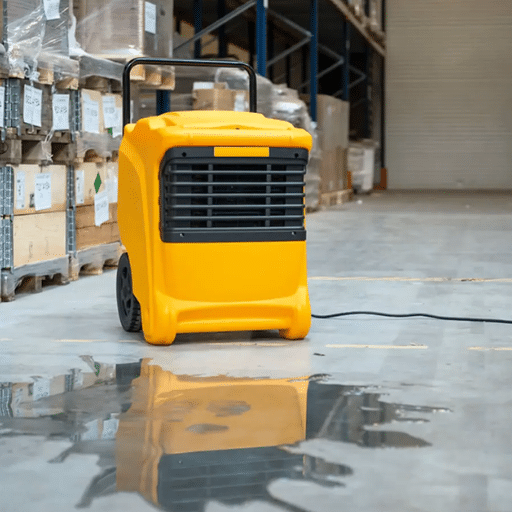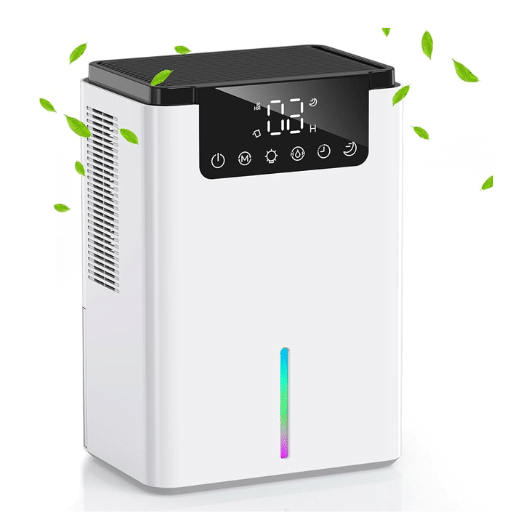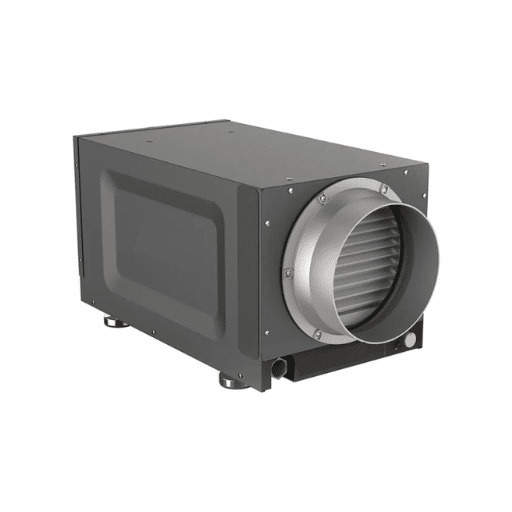
The use of industrial dehumidifiers is an absolute necessity in those areas where moisture control is not just a matter of choice but a requirement. They are used in warehouses, manufacturing facilities, and also in data centers and hospitals, where controlling the moisture levels is important to protect the equipment, to avoid damage to the structure, and to keep the operating conditions at the best possible level. However, the question is how these machines perform and why they are so important in an industrial setting. The present article brings to the reader a deep understanding of the mechanization of dehumidifiers, discussing their role in humidity regulation, the different uses of dehumidifiers, and the technology that gives efficiency to them. Whether you are a facility manager aiming at improving environmental control or just interested in the scientific explanation behind these gadgets, this guide will equip you with the detailed insights necessary for a better understanding of industrial dehumidification.
Introduction to Industrial Dehumidifiers

Industrial dehumidifiers are specific pieces of equipment that are meant to regulate and keep the humidity levels at their best in enormous environments. These systems help avoid problems like corrosion of the equipment, growth of mold, and deterioration of the air quality by taking moisture out of the air. They find their application in industries such as manufacturing, warehousing, pharmaceuticals, and food processing because of the strict environmental controls that are necessary for maintaining the quality and efficiency of the operations. Industrial dehumidifiers with high-tech features have ensured consistent performance to be consistent and energy-efficient humidity control to be energy-efficient, hence they have become the most important tools in the industrial atmosphere.
What is an Industrial Dehumidifier?
An industrial dehumidifier is a device specially made for the purpose of controlling and eliminating moisture in large or high-demand areas. Industrial dehumidifiers work on the same principle as residential ones – they are just stronger and built for heavy-duty use, hence, they manage large moisture loads effectively and for long periods. They operate by taking in the air, removing the extra moisture by means of refrigeration or desiccant systems, and finally, the drier air is recirculated back to the place. This type of equipment is necessary in the manufacturing, food processing, pharmaceuticals, and storage sectors, among others, where optimum humidity levels have to be maintained strictly in order to avoid the growth of mold, corrosion, and the ruining of products or equipment. The industrial dehumidifiers are made with great care in terms of durability, precision, and energy efficiency, which guarantees that even in the toughest environments, reliable humidity control is maintained.
How Do Industrial Dehumidifiers Work?
An industrial dehumidifier’s operation involves taking in the moist air through an intake system and then passing it through either a cooling coil or a desiccant material. Refrigerant-based dehumidifiers cool the air to the point where the water vapor turns into liquid; this liquid water is then collected and drained off. Before being released back into the room, the dehumidified air is heated again to the required temperature. On the other hand, desiccant dehumidifiers use materials that are very good at absorbing moisture; the captured humidity is then removed by heating. These methods enable industrial dehumidifiers to deliver accurate humidity control, which is one of the reasons they are very effective in significant industrial and commercial applications’ environmental conditions.
Importance of Reducing Humidity in Industrial Spaces
The presence of excessive humidity in places like factories and other industrial areas will cause nothing but trouble, such as malfunctioning equipment, spoiled products, and non-compliance with safety standards. By significantly increasing the incidence of mold, mildew, and rust, high humidity levels may also affect the very life of machinery, electrical systems, and even buildings. Moreover, certain materials like wood, paper, textiles, and some chemicals are highly moisture-sensitive, and thus, stringent control is often needed to avoid compromising the quality or usability of the product.
Health and safety issues are also very important factors, as high humidity levels can create slippery surfaces, increase the likelihood of condensation-related accidents, and deteriorate air quality. Industries like pharmaceuticals, food processing, and electronics are all handling except humidity control as critical to their regulatory compliance and operational efficiency.
Facility management with sophisticated dehumidification systems can deliver humancraft beverages, stretch the life of machines, and even more, provide a safer work environment. This humidity control investment not only prevents wear-and-tear costs but also secures a regular and thus cheaper productivity in the long run.
Types of Industrial Dehumidifiers

The operation of industrial dehumidifiers mainly comes down to the two primary types:
Refrigerant Dehumidifiers
This kind of dehumidifier works by reducing the air temperature to a point where it loses moisture, which is then removed through condensation. They are, thus, most effective in places with high humidity and warm temperatures, making these machines widely used in the food processing and storage industries.
Desiccant Dehumidifiers
These are dehumidifiers that remove moisture from the air by using some absorbent materials. They work better at a low-temperature setting than the refrigerant-type systems; hence, they are mainly used in the pharmaceutical, electronic, and some other industries where low humidity is a necessity.
Choosing one type or the other depends on the factors given above, like the environmental conditions, the humidity control needs, and the specific requirements of the industry.
Refrigerant Dehumidifiers
Refrigerant dehumidifiers could be called compressor-based dehumidifiers, and they function by passing moist air over cold coils, which condense the water vapour into liquid water and collect or drain it away. These systems work best in warm and humid climates, so they are perfectly suited for residential, commercial, and industrial use in areas like basements, warehouses, and offices. Refrigerant dehumidifiers do better than desiccants at higher temperatures but fall behind in colder conditions where condensation rates are low, making them less efficient.
When it comes to choosing the right refrigerant dehumidifier, large capacity (measured in pints or liters per day), energy efficiency, and the operating temperature range are the most important factors. Maintenance should also be considered, such as cleaning filters and emptying water reservoirs or ensuring proper drainage, as these factors are influential in determining performance levels. This type of dehumidifier is mainly sought for its low-cost humidity control in places with high ambient air temperature.
Desiccant Dehumidifiers
Desiccant dehumidifiers make use of a hygroscopic material, commonly silica gel, that absorbs water vapor from the air. Condensation is not the primary method of operation in these types of dehumidifiers; they are ideal for cold places or places where the relative humidity is quite low. Usually, these systems have a rotor that is covered with the desiccant material, which always pulls in humid air, purifies it, and then blows out dry air. The desiccant is subjected to a regeneration process that involves high temperature, and thus, the water vapor absorption is reversed and dried.
Important aspects to take into account while picking desiccant dehumidifiers are their capacity, which is commonly reported as the total moisture removal per hour or day, and their energy consumption, as the heating elements used during regeneration may consume a lot of power. They are also very light and compact; hence, they can be easily moved around and used in places where a lot of humidity and water are present (like construction sites or manufacturing). Regular maintenance, like inspecting the desiccant material and ensuring clean air filters, is essential for maintaining optimal efficiency and extending the device’s operational life span.
Comparing Different Types of Industrial Dehumidifiers
Industrial dehumidifiers are mainly classified into three types according to their working mechanisms: desiccant, refrigerant, and hybrid systems. Every type is suitable for different purposes and operates best in certain environmental conditions.
| Type | Operating Mechanism | Best Environment | Advantages | Disadvantages |
|---|---|---|---|---|
| Desiccant Dehumidifiers | Uses moisture-adsorbing substances like silica gel to attract and remove water vapor | Cold places or areas needing strong humidity control, like cold storage and industrial manufacturing | Portable, allows for non-stop operation, effective in cold temperatures | Power-consuming regeneration cycles required to renew the desiccant material |
| Refrigerant Dehumidifiers | Cools humid air with refrigerant-filled coils to condense and remove water | Warm, humid surroundings like warehouses and offices | More energy-efficient in high-humidity conditions | Performance drops in cold settings as coils can freeze |
| Hybrid Dehumidifiers | Combines both desiccant and refrigerant technologies | Greater variety of environmental conditions | Effective in controlling humidity regardless of temperature | Higher complexity and price may not suit every operational requirement |
When selecting the right industrial dehumidifier, it is necessary to take into account factors like temperature, humidity levels to be maintained, energy consumption, and budget constraints in order to get the most efficient and cost-effective operation for the particular application. Routine system maintenance, like with all types, is very important to keep the efficiency and longevity of the operations at a maximum level.
Benefits of Using an Industrial Dehumidifier
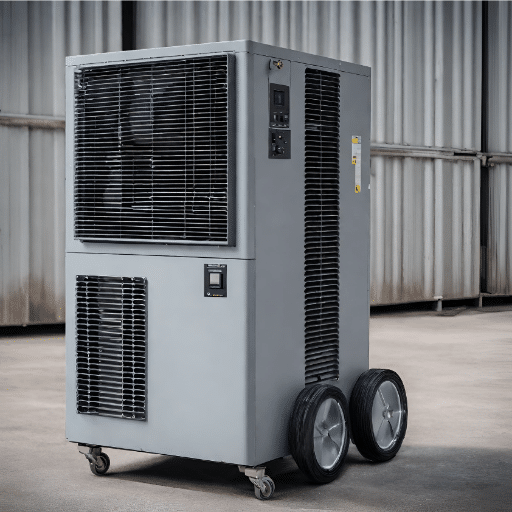
Improved Air Quality: The use of industrial dehumidifiers aids in the removal of excessive moisture, which is the main factor for the growth of mold, mildew, and bacteria that could affect the air quality negatively.
Protection for Equipment and Materials: Maintaining low humidity levels with these systems results in no more corrosion and no theft of equipment, electronics, and stored materials.
Enhanced Productivity: There is a contribution to the overall efficiency of a controlled environment where good working conditions are guaranteed, and product quality is maintained.
Energy Efficiency: The ideal humidity condition often means less work for the HVAC system, which in turn results in energy savings and lower operational costs.
Compliance with Industry Standards: Industrial dehumidifiers are capable of controlling humidity levels to perfection, making them an essential tool in various industries that are subject to strict regulatory guidelines.
Preventing Mould and Mildew Growth
Industrial dehumidifiers are absolutely essential in the battle against mold and mildew because they keep the humidity levels at the ideal range. In fact, the most conducive environment for these fungi is one that has a relative humidity of over 60%. The air is dried, and its moisture content is controlled, so the dehumidification process makes it impossible for these types of fungi to survive. Properly controlling the humidity is a must in places such as warehouses, factories, and food processing areas, as mold can cause deterioration of the building, contamination of the products, and even pose health hazards. Moreover, the systems used to remove moisture from the air, apart from being effective in preventing mold from returning, also help to keep the levels of mold spores in the air down, thus making the chances of invasions very slim and at the same time satisfying the health and safety requirements imposed.
Protecting Equipment from Rust
Rust is a by-product of the chemical reaction between moisture and oxygen with the metal surfaces for a long period of time, and it results in the metal getting corroded, thus losing its strength and functionality. Rust prevention must be done in the industries where equipment reliability and longevity are the main factors. A controlled dehumidification system can be implemented as an effective way to reduce the humidity in the air, and thus, the chances of oxidation can be reduced minutely. Regular maintenance [cleaning and anti-corrosion coatings application] is one way to create and keep a barrier against moisture. Other than this, proper storage solutions [e.g., airtight containers or climate-controlled environments] can also be applied to keep the rust away from the equipment. All these measures combined help in maintaining the performance of the machinery, lowering the repair costs, and keeping the industrial efficiency for a long time.
Improving Air Quality in Warehouses
The enhancement of air quality in warehouses is of utmost importance for the well-being of the workers, the storage of products, and the meeting of operational standards. The main approaches consist of the use of high-efficiency HVAC systems that are specifically made to filter out solid particles and also manage the indoor air circulation. The regular maintenance of these systems, which consists of replacing filters and cleaning ducts as per schedule, makes sure that the systems operate at their best. Furthermore, air quality monitors can measure pollutants like dust, carbon monoxide, and volatile organic compounds (VOCs) continuously, so that corrective actions can be taken quickly.
Moreover, effective dust management, which includes proper ventilation and the installation of industrial-quality air scrubbers, could bring about the desired decrease in contaminated air. Building management might want to apply cleaning measures of a high order, such as using HEPA-filtered equipment for sweeping floors, to reduce the concentration of dust on surfaces. In the case where there is heavy pollution due to the use of machines or materials, local exhaust ventilation systems can be installed to capture the pollutants at the source.
The last but definitely not the least point is that adopting sustainable methods like changing to electric or biofuel-powered forklifts for the sake of emissions reduction automatically leads to better air quality. The warehouse environment would be healthier and more productive if the employees were given proper training on the upkeep of the systems and observance of the air quality standards.
The Dehumidification Process Explained

Dehumidification is a method that involves taking out moisture from the air in excess so that the humidity levels inside the room are kept under control. Usually, it is done by means of dehumidifiers, which operate by either cooling the air so that water vapor condenses and is removed or using desiccants that absorb moisture. Keeping the humidity at the right level is very important to stop mold from growing, to keep materials in good condition, and to provide comfort in places like homes, offices, and factories. The most suitable dehumidification system is picked according to the particular requirements of the area, including its size, the amount of air flowing through, and the range of humidity that is preferred.
How Moisture is Removed from the Air
Moisture is taken away from the air with two primary methods in dehumidification systems: refrigeration-based condensation and desiccant absorption, which are the main methods used. Refrigeration-based dehumidifiers chill the incoming air to below its dew point, and as a result, the water vapor changes into liquid, collects, and is drained away. This technique works exceptionally well in hot and humid climates. On the other hand, desiccant dehumidifiers use hygroscopic materials such as silica gel to suck the moisture out of the air. Desiccants are especially applicable in low-temperature situations where condensation techniques are less efficient.
The method of dehumidification that is going to be the most effective is determined by the temperature of the environment, the relative humidity, the airflow rate, and the humidity level you want to have. Common refrigeration systems are used in residential or office locations, while desiccant systems are often used in industrial places like food processing or storage, where they need to very accurately control humidity at very low levels. Regular system maintenance, which includes cleaning the filters and drainage systems, will keep the moisture removal process efficient and reliable over the long term.
The Role of Dew Point in Dehumidification
The dew point is a decisive aspect in the process of dehumidification since it points out the temperature at which the air is fully saturated with moisture, and this in turn leads to the condensation of water vapor. This parameter is thus referred to as the representation of the absolute humidity in the air, and hence it plays a pivotal role in the design and optimization of dehumidification systems. The dew point indicates that the dehumidification methods can efficiently extract moisture from the ambient air by keeping the indoor temperatures lower than that. In industrial sectors like drug production or chilled storage, the monitoring of the dew point has to be very accurate, as any condensation may lead to the loss of the product’s quality or the working of the system’s being inefficient. The knowledge of dew point helps the engineers in choosing the right technology, like refrigeration or desiccant-based systems, which are not only effective but also suitable for the specific environmental conditions and moisture control needs.
Understanding Condensation in Dehumidifiers
The cooling process in dehumidifiers leads to the formation of condensation when humid air is forced to pass over the refrigerated coils. Hence, the air is cooled, and the moisture in it is turned into water droplets, which then either dry in a reservoir or are directed outside. The cooling process is a crucial one that, if not properly managed, can lead to inefficient operation, mold, and even water damage. Features such as auto-drain systems and humidity sensors have been incorporated into modern dehumidifiers as part of their design to continue optimizing performance.
Efficient maintenance is the most important aspect of keeping the condensation problems away from the system. Coils, filters, and water trays should be regularly cleaned to maintain operational efficiency and, at the same time, reduce the risk of bacterial or fungal contamination. Certain factors should be considered when choosing a dehumidifier, such as room size, ambient humidity, and the unit’s capacity points per day, to ensure the unit can perform effectively in keeping moisture levels under control. Understanding the working of the condensation process helps in making decisions that lead to effective moisture control in different environments.
Choosing the Right Industrial Dehumidifier

Key Selection Factors
Room Size and Coverage: Enlarge the area with the right dehumidifier size that at least matches the square footage of the place to be dehumidified. Usually, the larger spaces need dehumidifiers with more capacity.
Moisture Removal Capacity: Assess the dehumidifier’s performance, generally expressed in pints per day, to confirm that it can efficiently cope with the target humidity level under the given environmental conditions.
Environmental Conditions: Take into account elements like temperature and relative humidity in the room. In places with low temperatures, the dehumidifiers may need frost control features so that their work won’t be wasted.
Energy Efficiency: Check the energy used by the unit to cut down on your operational costs in the long run. Seek out features such as the Energy Star label to enjoy the highest efficiency.
Maintenance Requirements: Choose a dehumidifier with easily accessible filters and drainage systems so that maintenance will be easy and the dehumidifier will serve longer. Units with auto-drain or continuous pump options can make water removal easier.
If these factors are considered, users of different segments would be able to pick a dehumidifier that not only meets the operational requirements but also controls the moisture content in the environment optimally.
Factors to Consider When Selecting a Dehumidifier
Aligning the features of the dehumidifier with your specific needs is the main aspect of picking the right one. Below are brief answers to the most common considerations based on the information compiled from top sources:
What Size Dehumidifier Do I Need?
The size of a dehumidifier to be purchased depends on the room’s area and its humidity. A 30-pint machine may be adequate for a small area (300 sq. ft.), while large rooms (1,500 sq. ft.) or damp basements may need 50-70-pint units. For your exact moisture control, a hygrometer can be used to help you pick the right one.
How Do I Ensure Energy Efficiency?
Choose Energy Star-rated models, as they will use much less energy than the non-certified ones. Also, look for such features as programmable timers, adjustable humidity settings, and high-efficiency compressors, which will contribute to the overall savings in the operation of the appliance.
What Maintenance Features Save Time?
Regular maintenance of low-maintenance units is made easier by their washable filters, water tanks that are easy to remove, and continuous drainage systems. Some models even come with automatic defrosting, which prevents frost from forming during long periods of cold-weather use.
Once you assess all the above factors, you will be able to get a dehumidifier that will not only suit your room but also meet your efficiency and convenience needs.
Industrial Dehumidifier Hire Options
In the case of industrial dehumidifier hire options, I suggest going through the provider’s equipment quality, availability, and customizable rental terms. My area of focus includes the models that offer high-capacity removal of moisture, energy efficiency, and advanced features such as digital controls or remote monitoring. In addition, I make sure to have flexible hiring durations and fast delivery services to meet my project needs. This method not only consumes less time but also assures the best performance for my space.
Using an Industrial Dehumidifier Effectively
To make the most out of an industrial dehumidifier, one must properly match the machine’s operation to the environmental requirements. First, evaluate the space’s dimensions and humidity levels, then buy a dehumidifier with the right size (in pints per day) for the moisture removal you want to achieve. Place the unit in the middle of the room and let it breathe freely by keeping it away from walls and other obstacles, also maintain clearances as per the manufacturer’s directions. It’s important to keep up with maintenance—air filters should be cleaned or replaced regularly, check drainage for blockages, and observe the unit’s operation to make sure it is always working well.
Moreover, you might want to go for dehumidifiers that come with smart features like built-in hygrometers and automated settings. These gadgets allow for perfect humidity control and let the system adapt to the environment’s changes quickly. For areas with a large amount of humidity constantly coming in, always having drainage by hoses or pumps is necessary to keep the machine running. Last but not least, read the manufacturer’s manual and follow local electrical codes to operate safely and efficiently. Following these steps will legitimize long-term reliability and effectiveness in different industrial applications.
Reference Sources
Improving the Energy Efficiency of Dehumidification Technology
This paper discusses energy efficiency improvements in dehumidification technology, providing insights into industrial applications.
This research explores the performance and energy impacts of dehumidifiers, which can be relevant for understanding industrial dehumidification systems.
Treating Fresh Air: Options and Uses
This document examines industrial pollutant control technologies, including dehumidifiers, and their operational principles.
Frequently Asked Questions (FAQs)
What are the advantages of using an industrial dehumidifier in large areas and storage facilities?
Indeed, the strong dehumidifiers are the most reliable option for eliminating the air’s excess moisture so that the mold won’t grow and the industrial machines and goods won’t get spoiled in the area. Moreover, besides climate control, the industrial dehumidifiers also lower the humidity level to an acceptable level simultaneously.
How does an industrial dehumidifier perform in extracting the air moisture?
Dehumidifiers operate by utilizing cold coils to attract the moisture-laden air and by making it touch the unit’s coldest part, leading to condensation; it follows that the air is already collected in the bottom part of the machine. The moisture is either stored in a tank or directly discharged, and subsequently, the air is warmed slightly and returned, the air is cooled on the coil, moisture is removed from the air, and warm air is released into the room.
What are the primary sectors that employ industrial dehumidifiers, and for what reason are they considered irreplaceable in such sectors?
Industries like production, pharmaceuticals, food preservation, and document storage have turned to dehumidifiers either for their industrial or commercial type. They are important since they enable the choice and implementation of climate control conditions that prevent excessive moisture in the air, protect sensitive products and industrial machines, and sometimes even serve for compliance and quality monitoring by providing the right temperature and humidity.
What is the main process of air treatment and moisture problems’ cutoff by industrial dehumidifiers?
The functioning of industrial dehumidifiers is based on three processes: how to dry the air, what refrigerant or desiccant will be used to absorb moisture, and how to evaporate the moisture. The effective dehumidifier systems are also one of the reasons why there is no condensation, mold, rust, or even destruction of buildings and stocks; they eliminate moisture by lowering the humidity level in the air and thus fighting the accumulation of moisture.
When assessing a commercial dehumidifier against an industrial dehumidifier, what factors should I keep in mind?
The capacity factor is at the top of the list of different dehumidifier types. While commercial dehumidifiers usually cover only small to medium areas, industrial ones possess the power to flow, robust parts, and thus are able to serve large commercial and industrial areas. It is wise to consider the specific places, such as the type of dehumidification solutions required, the continuous drain possibilities, etc., and how the unit will be installed with the current climate control systems.
Are industrial dehumidifiers effective in cold environments, or is such places be a waste of their usage?
Desiccant technology is one of the factors that enable the use of certain industrial dehumidifiers, at least in theory, in cold environments, whereas, on the other hand, refrigeration-type dehumidifiers would probably not be able to work properly at the lower temperature of the air. Nevertheless, dehumidifiers for industrial applications that possess low-temperature cycles or heater options can manage to take up the moisture from the air and thus, keep on regulating the humidity and the temperature even in cold storage locations.
What is the role of a powerful dehumidifier in conjunction with HVAC and temperature control in a facility?
A hefty dehumidifier would be considered an ally by the heating, ventilation, and air conditioning (HVAC) system, as it would reduce the latent load, it would be able to manage the heat better, and the HVAC unit would have less effort to deal with humidity in the air. The dehumidifier not only enhances but also keeps the energy-efficient total climate control by drawing in humid air and releasing dry air, therefore it aids HVAC systems to keep the desired temperature and humidity conditions.
The process for selecting the proper dehumidifier for large commercial and industrial spaces is as follows?
To start with, one should consider the size of the area, the amount of moisture in the air, the setting for humidity, and the features such as the possibility of continuous drainage or the requirement of a mobile unit. Then, from the industrial dehumidification solutions, which are meant for large spaces, can be integrated with the current climate control, and have the attributes of strong airflow, non-corrosive parts, and the unit’s bottom being suitable for handling maintenance regularly, you may select the one that will effectively protect against moisture damage.