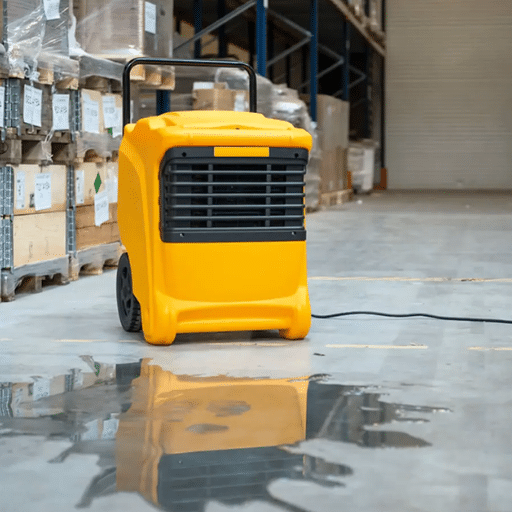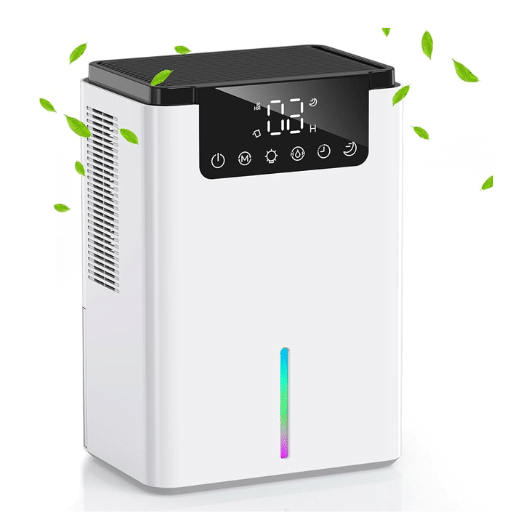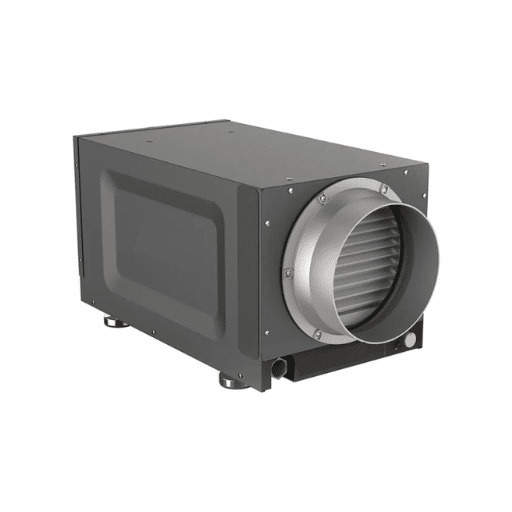
Indoor air quality is essential to a home’s well-being and comfort, yet it is often ignored. Air purifiers and dehumidifiers are among the most widely used devices designed to eliminate problems caused by poor air quality. Although they might look alike at first, the two tools do not perform the same function or solve the same problem. In the following article, the differences between air purifiers and dehumidifiers will be revealed, which will make it easier for you to know how they work, what problems they solve, and which one is better for your situation. This will be a guide for you throughout the battle with allergens, too much moisture, or just the desire for easier breathing at home. Thus, it will be a decision based on quality air, made with the knowledge gained.
Introduction to Air Purifiers and Dehumidifiers
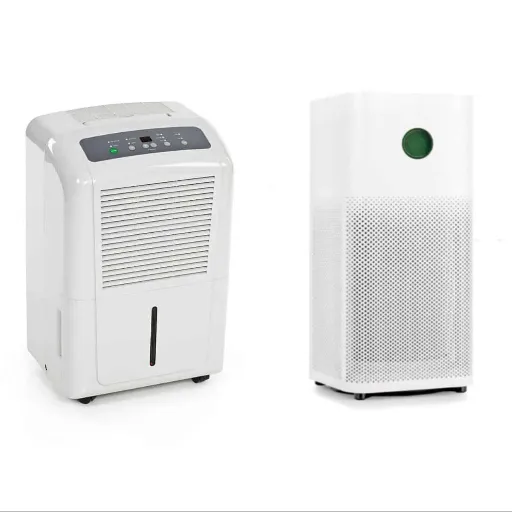
Air purifiers and dehumidifiers are two different devices that improve the air in your home, but they do so in different ways. Air purifiers use various filters and technologies to clean the air by taking out pollutants such as dust, allergens, smoke, and odors. On the contrary, dehumidifiers take moisture out of the air which helps in avoiding problems like the growth of mold and the smell of mustiness that are caused by high humidity levels. Knowing exactly what your air quality problems are will help you decide which device will be most effective for your situation. In case allergens or pollutants are the primary concern, an air purifier is the best choice. If you are experiencing dampness or high humidity, a dehumidifier would be a better option.
What is an Air Purifier?
An air purifier is designed to eliminate various pollutants and improve indoor air quality. It operates with the help of several filters and modern technologies like HEPA (High-Efficiency Particulate Air) filters, carbon activated filters, or even UV light which are all very effective in capturing and neutralizing pollutants that include dust, pollen, smoke, pet dander, and microorganisms that may be harmful. Concerns about air pollution and its impact on respiratory health have been significant drivers of the growing demand for air purifiers. In addition, many of today’s air purifiers come equipped with specific features that address common air quality problems, such as the presence of volatile organic compounds (VOCs), thus their use has become widespread in residential, commercial, and even public spaces where the provision of a clean and healthy environment is a priority.
What is a Dehumidifier?
A dehumidifier is a device used for household or industrial purposes that reduces and maintains humidity levels in the air, making the indoor environment more comfortable and healthier. The device takes in air, removes excess moisture, and, in turn, prevents mold growth, musty odors, and furniture damage caused by high humidity. There is a growing fascination with dehumidifiers, especially in areas with high humidity, where controlling humidity levels is crucial for better air quality and respiratory health. State-of-the-art dehumidifiers often feature humidity sensors, energy-efficient operation, and intelligent controls, making them highly practical and desirable for residential, commercial, and industrial sectors.
Importance of Indoor Air Quality
Indoor air quality (IAQ) essentially determines how healthy and comfortable a living or working place is. Along with their relative severity, poor IAQ comes with multiple health issues such as allergies, respiratory problems, headaches, and even fatigue. It can also worsen the symptoms of asthma and chronic obstructive pulmonary disease (COPD). Factors that negatively affect IAQ include mold growth, high moisture levels, volatile organic compounds (VOCs), and insufficient airflow.
Indoor air quality can be improved through the management of humidity, reduction of indoor air pollution, and the installation of proper ventilation systems as primary techniques; this will likely enhance indoor air quality. By combining air purifiers, HEPA filters, and dehumidifiers, it is possible to improve indoor air quality significantly. However, neglecting regular maintenance of HVAC systems and allowing indoor spaces to become dirty will only increase the number of airborne contaminants. The benefits of IAQ prioritization are wide-ranging, including health protection, comfort, and even increased productivity in indoor environments.
How Each Device Works
Mechanism of Air Purifiers
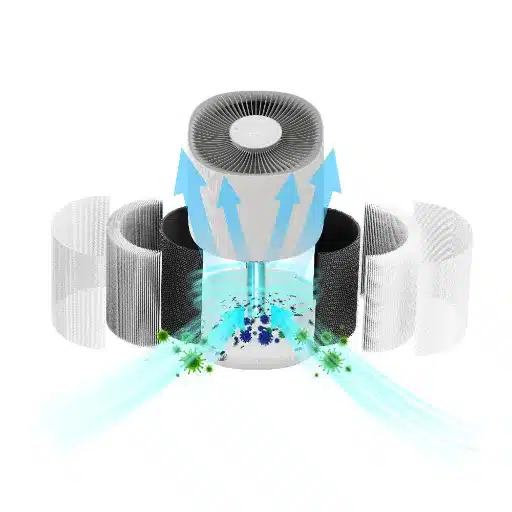
Air purifiers employ cutting-edge filtration systems to remove pollutants and dust particles from indoor air, making it cleaner. HEPA (High-Efficiency Particulate Air) filters, among others, are among the most frequently used filter types and can intercept up to 99.97% of particles as small as 0.3 microns, capturing not only dust but also pollen and pet hair. Besides that, modern air-cleaning devices come with activated carbon filters, which are good at sucking up odors, smoke, and even harmful chemical vapors that may come from sources such as volatile organic compounds (VOCs). Some of the state-of-the-art air-cleaning gadgets incorporate UV-C light to kill germs present in the air like bacteria and viruses, while others make use of ionization technology which works by emitting negative ions that latch onto and hold positively charged pollutants. Air purifiers typically employ several techniques simultaneously to maximize effectiveness and provide cleaner, safer indoor air.
Key Technologies Used in Air Purifiers:
- HEPA Filters: Capture 99.97% of particles as small as 0.3 microns
- Activated Carbon Filters: Absorb odors, smoke, and VOCs
- UV-C Light: Neutralizes bacteria and viruses
- Ionization Technology: Emits negative ions to trap pollutants
Mechanism of Dehumidifiers
Dehumidifiers are designed to extract excess water vapor from the air, thereby keeping indoor air humidity at a desirable level, typically 30% to 50%. One type of dehumidifier, the refrigerant type, is the most widely used and works by sucking in air laden with moisture, then blowing it through the cold evaporator coils. As the air cools, it loses its moisture, forming water droplets that are either collected in a tank or drained. The remaining air is reheated and returned to the room. Sure, dehumidifiers use the desiccant method, which uses materials that absorb moisture to remove water vapor without cooling. In fact, most modern dehumidifiers are equipped with smart sensors that can adjust their operation in real time based on humidity levels, thereby saving energy while maintaining steady performance. Moreover, HEPA filters are now used in many air dehumidifiers to improve air quality by trapping dust, allergens, and other tiny particles. Having this feature has improved people’s comfort and health, and therefore, dehumidifiers have become indispensable home appliances for indoor air quality management.
Types of Dehumidifiers:
- Refrigerant Dehumidifiers: Use cold coils to condense moisture from the air
- Desiccant Dehumidifiers: Use moisture-absorbing materials to extract water vapor
Comparative Analysis of Air Purifier vs Dehumidifier
Air purifiers and dehumidifiers differ in purpose, functionality, and benefits: air purifiers improve air quality by removing pollutants, while dehumidifiers control humidity to prevent dampness and mold.
This comparison highlights the distinct roles and ideal conditions for both devices, helping users choose based on their specific needs.
Key Differences Between Air Purifiers and Dehumidifiers
Functionality of Air Purifiers
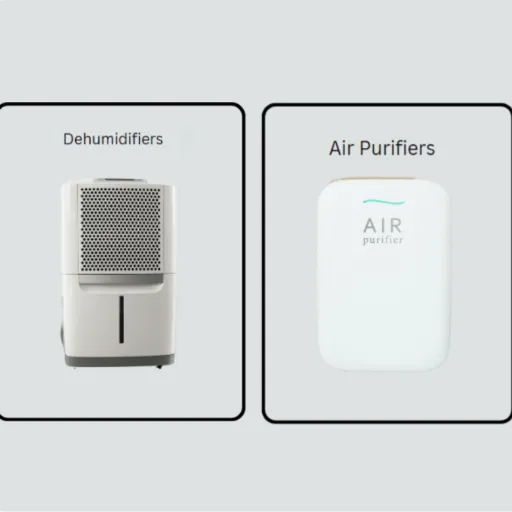
Air purifiers are designed to remove impurities, including dust and other particles, that are harmful to one’s health. They do so with the help of filtering techniques and devices, such as HEPA filters, or others that capture or render airborne impurities harmless. The main goal of air purifiers is to improve indoor air quality, making it healthier to breathe, especially for people with allergies, asthma, or other breathing problems.
Functionality of Dehumidifiers
Dehumidifiers are machines designed to reduce humidity in the air by extracting water vapor. They accomplish this by drawing in humid air, cooling it to the point where the moisture condenses, and then blowing dry air into the room. This technique helps block mold germination, reduce dust mite populations, and make the indoor environment more pleasant. Dehumidifiers will be more beneficial in regions with high humidity or in places that are often wet, such as a cellar or a restroom.
Air Purifier vs Dehumidifier: Which One to Choose?
The decision between an air purifier and a dehumidifier is a matter of personal preference and the indoor environment problems you want to address. Air purifiers are the best choice when the goal is to enhance the air quality by filtering the air of the pollutants that are flying around like dust, pollen, pet dander, and smoke. Using air purifiers is especially recommended for people who suffer from allergies, asthma, or sensitivity to air pollution. Some of the most advanced models can even annihilate bacteria, viruses, and VOCs giving the air a cleaner and healthier status.
Conversely, the primary concern of the dehumidifier is to keep humidity at manageable levels. If your primary concern is excess moisture, which can lead to mold, bad smells, and increased allergens such as dust mites, then a dehumidifier is a better option. Moreover, by reducing humidity, dehumidifiers not only prevent mold and other allergens from growing but also create a more comfortable living space, especially in very humid areas.
💡 Pro Tip: Combined Approach
To achieve the best indoor air quality, many households find it beneficial to use both devices simultaneously. Not only will the air purifier remove harmful particles from the air, but the dehumidifier will also maintain a balanced humidity level, which, in turn, will enhance the purifier’s effectiveness. It is time to analyze your surroundings to choose the device that best suits you, or to consider a combination approach for total air management.
Health Benefits of Air Purifiers and Dehumidifiers
Impact on Allergies and Respiratory Health
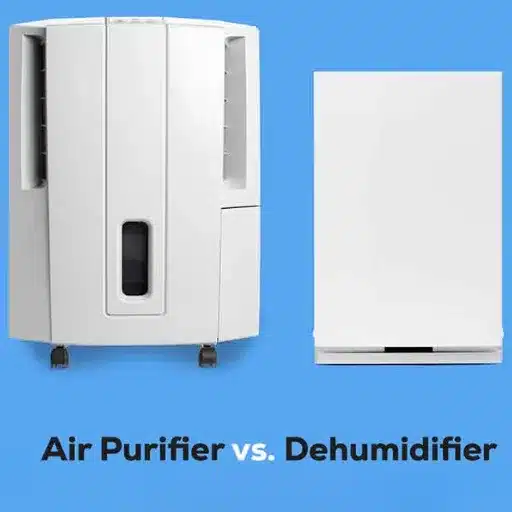
Air cleaners and humidity controllers are major contributors to relieving allergies and supporting lung health. The operation of air purifiers involves removing the main airborne allergens, thus preventing allergic reactions and worsening asthma symptoms. The opposite of air purifiers is dehumidifiers, which reduce humidity and thus prevent the growth of mold and mildew—two leading causes of allergies and respiratory problems. Recent statistics show that there is a considerable increase in the number of people looking for “best air purifiers for allergies” and “how to reduce indoor humidity”, which indicates that people are becoming more aware and are demanding these devices more than ever. They not only provide a cleaner, drier indoor environment but also keep allergens out, thereby ensuring air quality and the health of the living area.
Role in Mold Prevention
One of the primary measures to prevent mold growth indoors is using air purifiers and dehumidifiers. Since mold thrives in damp, humid places, controlling moisture is a critical step. On the one hand, dehumidifiers lower indoor humidity by removing excess moisture from the air, thereby creating an environment less conducive to mold growth. Air purifiers, on the other hand, trap the airborne mold spores so that they do not settle and grow. The effective collaboration of these two devices will keep your home environment cleaner, drier, and consequently more resistant to mold infestations.
Asthma Management with Air Purifiers
Air purifiers have completely transformed my asthma treatment. They filter the air of common asthma triggers such as dust, pollen, pet dander, and mold spores, helping me breathe more freely at home. Using a HEPA filter purifier, designed to trap even the tiniest particles, has resulted in fewer symptoms and better nights of sleep. Besides, it keeps me away from airborne irritants that may aggravate my condition allowing me to relax and feel better physically and mentally.
Ideal Use Cases for Air Purifiers and Dehumidifiers
When to Use an Air Purifier?
Recommended Situations:
- Households with pets
- Areas where smoking occurs
- For people with allergies to dust, pollen, or mold
- In bedrooms and living rooms where clean air is essential
- During allergy seasons
- In polluted urban areas
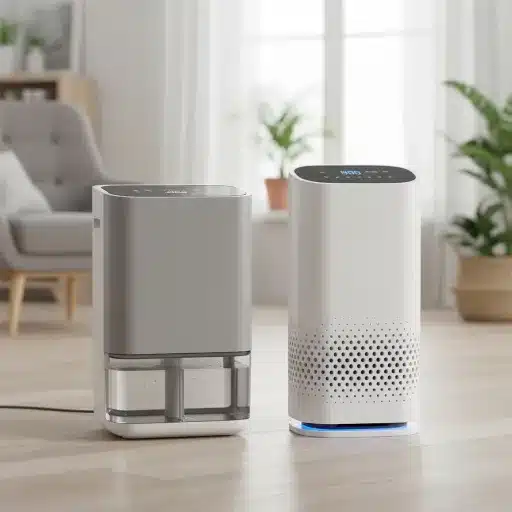
Air purifiers are recommended for use in areas with heavily contaminated air, such as those with irritants, pollutants, or allergens. Their consistent application can reduce airborne particles and create a virus-free atmosphere.
When to Use a Dehumidifier?
Recommended Situations:
- Basements with high moisture levels
- Bathrooms without proper ventilation
- During hot, humid weather
- When condensation appears on windows
- When musty smells are present
- When mold is visible or suspected
Dehumidifiers are helpful in places where moisture issue is a problem. Not only do dehumidifiers alleviate moisture discomfort but also contribute to the safety of your home by shielding it against the adverse effects of high humidity.
Choosing Between an Air Purifier and a Dehumidifier
When selecting between an air purifier and a dehumidifier, it is essential first to evaluate your specific needs and determine the problems you are trying to solve in your home. Air purifiers enhance indoor air quality by removing pollutants, allergens, and particles such as dust, pet dander, smoke, and pollen. If you or any member of your family has an allergy, asthma, or respiratory problem, an air purifier is a wise choice, as it removes airborne irritants directly.
A dehumidifier, in contrast, is very effective at reducing excess moisture in the environment. If you have problems like constant dampness, mold odor, mold formation, or water dripping on walls and windows, a dehumidifier is the way to go. High humidity not only gives a conducive environment for molds to thrive but also makes living very uncomfortable and can lead to furniture and infrastructure being damaged after a while.
🏠 Decision Guide
In some scenarios, it might be a good idea to go for both devices. For instance, in a place that is both very humid and has poor air quality, a dehumidifier can address moisture-related problems, while an air purifier does so along with its air conditioning and allergy-reducing functions. Thus, combining them results in a healthier indoor environment with the best overall air quality.
Frequently Asked Questions (FAQs)
How does an air purifier have a greater impact on indoor air quality than a dehumidifier?
An air purifier enhances indoor air quality by using filtration (often a HEPA filter) to trap airborne particles such as dust, pollen, smoke, and other contaminants, resulting in cleaner, filtered air you can inhale. In contrast, a dehumidifier takes out the extra moisture from the air and makes the air less smelly and prevents mold growth, which in fact contributes to the air quality improvement of your house. When deciding between a dehumidifier and an air purifier, identify your primary concern: eliminating allergens and particles from the air vs. controlling high humidity and needing drier air.
What is it that I should buy, an air purifier or dehumidifier for allergies and particles?
A HEPA-filtered air purifier is usually the best option for filtering out allergens and other harmful particles, like pollen and pet dander, because it uses filtration to remove particles from the air. If high humidity, mold, or a musty smell are your home’s air quality problems, you need a dehumidifier. In some households, using both an air purifier and a dehumidifier yields the best results: together, they manage humidity and remove particles from the air.
Is it possible for a dehumidifier or an air purifier to remove musty odor and mildew?
A dehumidifier pulls out moisture that can encourage mold to develop, and removes the musty smell by drying the air, thus lowering conditions that favor mold growth. An air purifier can help remove airborne mold spores and some odors if it has activated carbon, but it cannot eliminate the excess moisture that causes mold. For mold issues, a dehumidifier or addressing the moisture source is usually required; however, pairing a dehumidifier with an air purifier helps reduce spores and improve overall air quality.
Will an air conditioner be able to perform the same way as a dehumidifier or air purifier?
An air conditioning unit will definitely lower humidity levels a little as it cools the air, but its primary function is not dehumidification or air purification. Air conditioners generally take the air that is already in your living space and cool it down, thereby getting rid of some water, but they still do not provide the filtration of air nor the consistency of humidity control that is typical of air purifiers or dehumidifiers, which are specifically designed for these functions. For effective indoor air quality and precise humidity control, choose equipment designed for those ends.
Do I still need an air purifier if I have a dehumidifier?
Suppose your primary concern is with allergens, smoke, or fine particles. In that case, you are definitely in need of an air purifier because the dehumidifier will not be able to carry out this task as well as it will only be taking out moisture and larger mold growth drivers but will not be filtering the particles from the air effectively. An air purifier can effectively remove various pollutants from the air, providing clean air. It is common practice to combine a dehumidifier and an air purifier when both humidity and particle pollutants are affecting your home’s air quality.
What are the factors involved in the decision process for a dehumidifier vs an air purifier — are they compatible for use together?
First, diagnose the air quality needs and, based on that, decide: if it is high humidity, condensation, or a musty smell, you need a good dehumidifier. However, if allergies, smoke, or fine particles are the problems, an air purifier with high clean air delivery and HEPA filtration should be prioritized. Often, the recommendation is to use both an air purifier and a dehumidifier, as the latter removes water from the air. So it helps minimize mold sources, while the former helps keep the air free of allergens, leading to healthier air and improved air quality in your home.
Reference Sources
-
Air Purifier or Dehumidifier: Which Do I Need? – Explains how air purifiers remove airborne contaminants, while dehumidifiers address moisture-related issues.
-
The Difference Between Air Purifiers and Dehumidifiers – Highlights the distinct functions of air purifiers (removing particles) and dehumidifiers (reducing moisture).
-
Air Purifier vs. Dehumidifier: What’s the Difference? – Discusses how dehumidifiers prevent mold growth and air purifiers eliminate particles like dust and odors.
-
Improving Indoor Air Quality – Offers general guidance on improving air quality by addressing pollution sources and emissions.
-
What You Can Do to Help Improve Air Quality – Provides actionable tips for maintaining air quality, including using efficient appliances and air filters.